


Digital technologies and innovations can be used to redefine how Africa preserves and protects natural and cultural heritage for the benefit of future generations.
These sentiments were shared at the four-day World Heritage Digital Technology Workshop, currently underway in Windhoek.
The African continent hosts a wealth of 147 UNESCO World Heritage sites, spread across 46 countries.
These sites represent the continent's unique natural formations, cultural landscapes and historical landmarks, each a showcase of the continent's creative identity.
Erica Ndalikokule is the Director of the National Heritage Council of Namibia. She shared the importance of heritage.
"Whether you come from the bustling cities of West Africa, the vibrant communities of the east, the historic landscapes of the north, or the dynamic cultural hubs of the south, your contribution will shape the future of heritage in Africa."
The continent's heritage sites face numerous challenges, though, that range from insufficient documentation to poor management and climate change, uncontrolled urban expansion, illicit activities, conflict, and trafficking.
In Namibia, prolonged droughts and floods have negatively impacted heritage sites' fauna and flora.
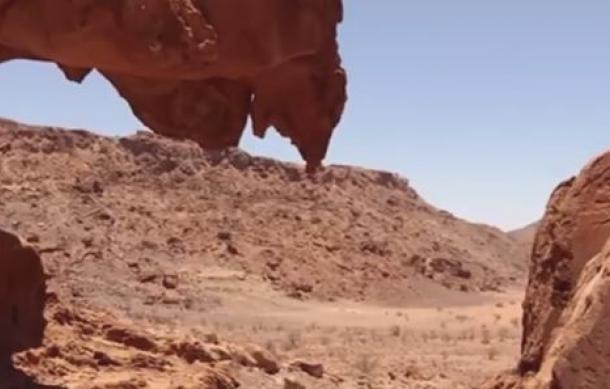
"The National Heritage Council of Namibia, under the guidance of our ministry, has been diligently working to integrate digital technologies into heritage education, site management, and public engagement. So far, they have introduced immersive storytelling by providing 360-degree virtual reality tours of the Twyfelfontein World Heritage Site," said Manfred !Gaeb, Director of National Heritage and Culture Programmes at the Ministry of Education, Innovation, Youth, Sports, Arts and Culture (MEIYSAC).
Digital technologies and innovations such as geographic information systems, geospatial and remote sensing tools, 3D scanning, drones, photogrammetry and mobile applications have been identified as useful tools in preservation and protection efforts.
At the same time, they open new pathways for education, tourism and community engagement, explained Eunice Smith, representative of UNESCO.
"The introduction and use of digital technologies offer us unprecedented opportunities to better understand the changes and devise sustainable solutions for balancing human development needs with our responsibilities to protect and safeguard the outstanding universal value of the heritage of which we are bound to."
UNESCO, under its World Heritage Programme, has developed a World Heritage Online Map Platform, which is a geographic information system designed to provide geo-referenced maps, allowing for improved monitoring, management and protection of heritage sites worldwide.
"The World Heritage Online Map Platform enables basic cartographic operations and provides users with a suite of tools and features, including hazard mapping and essential information about UNESCO sites. In doing so, it helps tell a broader story – one of preservation, awareness, and shared responsibility," said Nicolas Vandeviver, Deputy General Representative of Flanders, Southern Africa.
The workshop further aims to build a vibrant network of African experts who can collaborate, co-create, and lead the digital transformation of heritage management across the continent.