


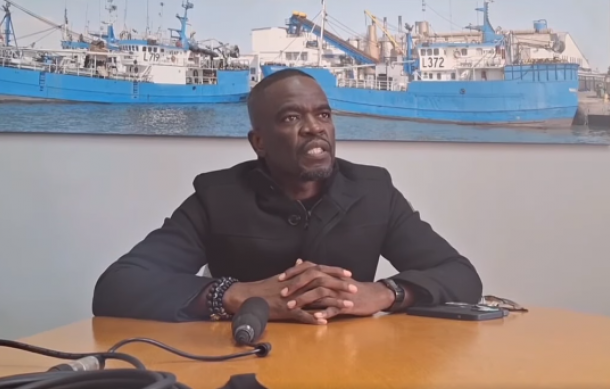
The Wet Landed Small Pelagic Association has raised alarm over illegal fishing of pilchards, a species placed under a moratorium.
Its chairperson, Johnny Doëseb, believes some horse mackerel operators are deliberately targeting pilchards to maximise their profits.
Videos have been circulating on social media about a certain vessel which illegally landed pilchards on Wednesday.
The vessel licensed to catch horse mackerel allegedly caught pilchards, a species the government placed under moratorium in 2015.
According to the regulation, if a vessel is not licensed to land a certain species, only 5% is permitted to be caught as bycatch.
In this case, it is alleged that the horse mackerel vessel caught pilchards as bycatch, over the 5% threshold.
The Wet Landed Small Pelagic Association Chairperson said similar incidents were reported last year, setting a habitual and dangerous pattern in the industry.
"You cannot have 300 tonnes of pilchards on board a horse mackerel vessel; it means it's target fishing. Currently, we are in the winter months, and when you are in the winter months, the sizes of horse mackerel reduce because small stocks go up and big stocks go down. Now what will they do to maximise profits and save the operationality of their operations? They don't want to lose money; what do they do? They target the nearest species, and the nearest species at the moment in big numbers, unfortunately, is pilchard."
Doëseb is concerned about pilchard canneries that have been operating sporadically and at a loss.
These companies rely on buying pilchards from other countries or the illegal operators who sell the fish at a high price.
He stated that as a result, over 1,000 are out of a job for most of the year.
"We are actually robbing Namibians of their livelihood and their income. Equally, we are not contributing to the coffers of the government. Schools need to be built. Hospitals need to be financed. Now, if we as an industry cannot stand up and speak up against illegal landings and overcatching of this nature, which are not beneficial to Namibia at large, then something is totally wrong with our conduct itself."
The association wants the culprits punished.
"When people overcatch, the monetary punishment that comes with it is not worth the punishment because the overcatches have more value than the punishment itself. Whoever overcatches must be charged, and punitive measures need to be taken. What we have said is that overcatches must be forfeited to the government, and it must be given to the Fish Consumption Trust."
NBC News sent questions to Agriculture, Fisheries, Water and Land Reform Minister Inge Zaamwani, who said the ministry will draft a response to the concerns raised.