


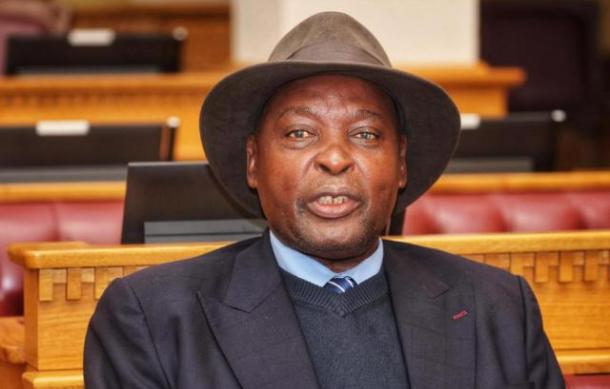
The Minister of Urban and Rural Development, James Sankwasa, has taken note of a rise in demand for affordable, serviced land in urban areas, particularly in Windhoek, and is thus considering viable solutions to the ongoing housing crisis.
Sankwasa highlighted key challenges faced by the ministry as insufficient serviced land, a lack of investment and time constraints.
"The difficulty lies not really in the unwillingness of local authorities such as the Windhoek municipality to allocate land but rather in the lack of serviced land, which is a prerequisite for formal allocation. Servicing land involves the provision of basic infrastructure, roads, water, sewer and electricity, which requires significant capital investment and time."
The ministry will, as much as possible, continue to prioritise the allocation of serviced land, he said.
"We do not want to repeat the mistakes of the mass housing project, where people pushed for land and built houses on unserviced land, only to later realise there were problems. This time, the ministry is taking a different approach where we shall allocate for various authorities who allocate land on serviced land so that the moment the house is constructed, it gets occupied."
Sankwasa highlighted that the ministry is collaborating with the Ministry of Works and Transport and that of Finance to identify sustainable financial mechanisms to help speed up urban development.
He also explained the costs involved in attempting to provide adequate housing.
"The Minister of Urban and Rural Development proposed to all local authorities in the country a land development cost of N$50,000 per area to accommodate the middle and lower income groups. Some areas may go for N$120,000 per household for those, like Members of Parliament here, because at least there is an income for members. And at the proposed going rate, it will cost N$2.2 billion to N$2.7 billion to service 55,000 urban lands in Windhoek alone. It's N$6.6 billion to construct houses in the same areas."