


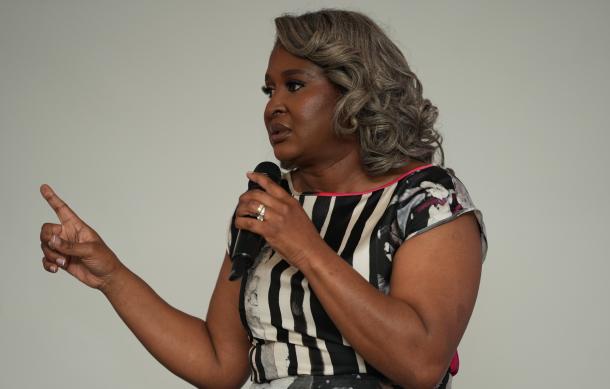
Former First Lady Monica Geingos, who serves as co chair of the Global Council on Inequality, AIDS and Pandemics said inequality is not inevitable but a political choice.
Geigons said that leaders can break the inequality pandemic cycle by applying the policy solutions proposed by the Council.
The former First Lady made the remarks during the release of the Council’s report titled Breaking the inequality pandemic cycle: building true health security in a global age, which links inequality to the frequency and severity of pandemics.
The report states that inequality within countries increases the likelihood of pandemics, weakens response capacity, and deepens economic and health impacts.
It shows that unequal societies recorded higher deaths during COVID-19 and continue to experience uneven recovery.
The Council, co-chaired by Geingos alongside Nobel laureate Joseph Stiglitz and epidemiologist Michael Marmot, found that inequality drives pandemics and pandemics in turn worsen inequality, creating a cycle that undermines global stability.
The study calls for a pause in debt repayments for poorer countries until 2030 to free fiscal space for health and social spending.
It recommends new global financing mechanisms for pandemic preparedness and reform of international financial institutions to avoid austerity during crises.
The report also urges governments to invest in social factors of health such as housing, nutrition, and social protection systems that can expand during emergencies.
It also proposes the waiving of intellectual property rules during pandemics, and treating new medical tools as public goods.
The report concludes that without action to address inequality, the world will remain exposed to future pandemics and unable to build lasting health security.