


Namibia produces only about 40 percent of its own electricity, while the remaining percentage is being imported.
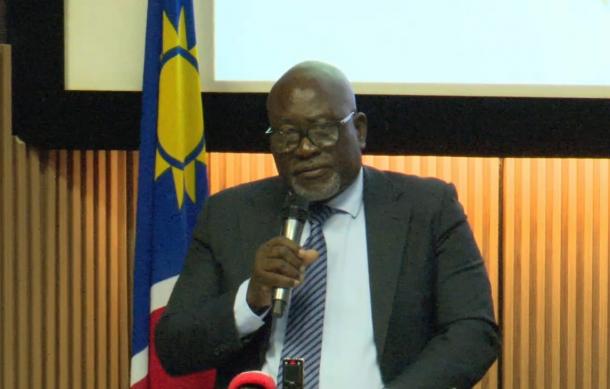
This was announced by the Minister of Industries, Mines and Energy, Modestus Amutse, at the official launch of the Namibia Impact Mission 300.
The initiative is a deliberate commitment to expand energy access, strengthen economic transformation and advance shared prosperity.
"This Compact is the product of a considered and disciplined process. It reflects national priorities, informed by evidence, consultation, and long-term planning. More importantly, it signals a shift from aspiration to implementation, from policy intent to measurable action."
Amutse added that under the National Integrated Resources Plan, they have set an ambition to clear 80 percent electricity self-sufficiency and to achieve 70 percent renewable energy penetration.
The Executive Director in the Ministry of Finance, Michael Humavindu, who delivered the speech on behalf of the minister, stressed that despite the small population, Namibia continues to face challenges of poverty and inequality.
This, he said, complicates the task of delivering affordable electricity to all, even though notable progress has been achieved.
"Mission 300 is an Africa-wide and global movement aimed at connecting 300 million people in sub-Saharan Africa to electricity by 2030 with the shared objective of improving livelihoods and accelerating development across the continent."
The Africa Development Bank's regional sector manager, Farai Kanonda, also spoke at the occasion.
"Namibia's green industrialisation, which is anchored on renewable energy, local resources and innovative technologies, has the potential to position the country as a global leader in green hydrogen and clean molecules critical for decarbonising heavy industries. This pathway promises jobs for youth, empowerment opportunities for women, enhanced local manufacturing and increased foreign investment."