


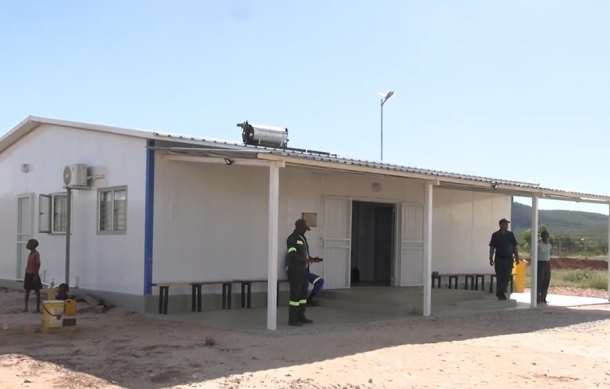
The Kaoko-Otavi Correctional Facility in the Opuwo Urban Constituency is operational but struggling to meet the healthcare needs of the surrounding community due to a shortage of medication.
The clinic was officially inaugurated last December by the Minister of Home Affairs, Immigration, Safety and Security of Namibia, Lucia Iipumbu.
The clinic was intended not only to serve inmates but also members of the public.
However, a recent visit to the clinic reveals a gap between policy intent and service delivery.
While the clinic is functional and receiving patients, several community members have raised concerns that they are often turned away without receiving treatment due to a lack of essential medicines.
The situation is particularly concerning for mothers and children who rely on the facility for primary healthcare.
The deputy commissioner in charge of the Okaoko Otavi Correctional Facility indicated that the clinic's challenges stem from the absence of a formal collaboration between the Correctional Service and the Health Ministry.
According to the official, without such an arrangement, the consistent supply of medication remains uncertain, hence having to refer patients to Opuwo for further treatment.
Assistant Commissioner at the Okako-Otavi Correctional Facility, Gerson Pack-Ndjoonduezu.
"The minister was very hard on her words that we are here to attend to the community and the community should not actually be trespassing into our facility. The community are coming, and they are being attended to, and they are going. And if there is a harsh situation or referrals to be made to Opuwo, we look into how to get them into Opuwo for further treatment and examinations," he said.
The Okaoko-Otavi Correctional Facility clinic's superintendent, Johanness Shipepe, explains that the biggest challenge is referring patients from the clinic to a district hospital, mainly because many patients cannot afford transport to get there.
In addition, there are frequent problems with medication supply, leading to regular stock shortages and affecting their ability to provide consistent care.
Community members say the benefits are often overshadowed by service interruptions, particularly when medication is unavailable or when certain services are not offered on specific days.