


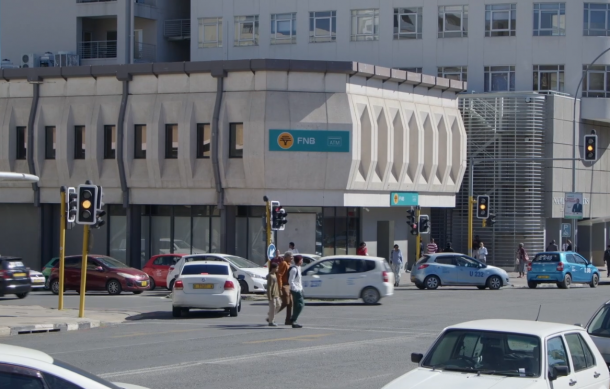
Namibia's international reserves rose to N$51.8 billion in March, according to a financial review by First National Bank (FNB).
The report states that this level provides the country with sufficient foreign currency to continue paying for imports and supports the Namibia dollar’s peg to the South African rand.
FNB highlighted that the reserves can cover more than three months of imports, meeting internationally accepted standards.
Inflation slowed in March, dropping to 2.1% from 2.4% in February, mainly due to slower increases in transport and housing costs. However, food prices continued to rise.
The report warns that inflation may increase again following recent fuel price hikes, with ongoing Middle East conflicts likely to push global oil prices higher, impacting transport and food costs in Namibia.
The Bank of Namibia kept the repo rate unchanged at 6.5% last month, indicating borrowing costs for households and businesses will likely remain high. The central bank cited a slow economy and weak borrowing demand but noted inflation risks persist.
Growth in money supply slowed in March, while government balances with local banks and the central bank increased. However, pressure on government finances is expected to continue as the state plans to borrow more locally to fund the 2026/27 budget.