


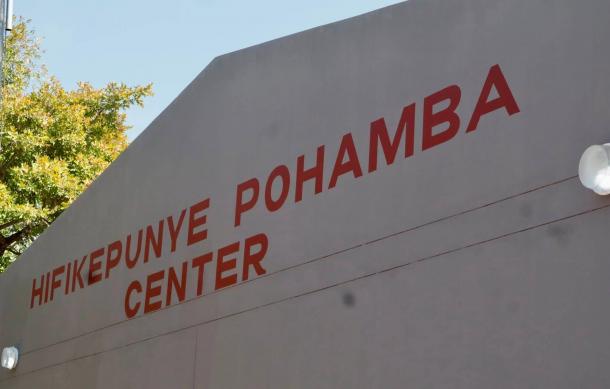
The Hifikepunye Pohamba Education Center was inaugurated on Saturday at Okanghudi in the Ohangwena region.
The center will serve as a learning and research resource facility while also preserving Namibia's culture and heritage.
The facility will provide educational and research resources to learners, researchers and the wider community.
The center has been nominated for declaration as a National Heritage Site, in recognition of its historical significance and contribution to Namibia's national heritage.
The center features three key heritage elements: the historic tree, the statue of Dr. Hifikepunye Pohamba, and the Pohamba Education Resource Center.
These landmarks hold significant historical, cultural and educational value, helping to preserve the legacy of Namibia's founding generation.
The guest of honour, Ben Amadhila, said the facility stands as a symbol of visionary leadership, community empowerment, education and inclusive development.
"At 91, Comrade Hifikepunye Pohamba had this beautiful idea. He could have put the money in the bank, where it would have earned interest and grown, but instead, he thought about the generations to come. That was solidarity, and it drove all of us: if you are not going to make it, then let those who come after you succeed. I am sitting here with great admiration for what you have done, Comrade Pohamba. You chose not only Okanghudi, a village, but also sought to put it on an equal footing with the rest of the country by creating facilities and opportunities of equal standard.”
Speaking on behalf of former President Hifikepunye Pohamba, his son Tulongeni said the center was dedicated to the local community, with ambitions to develop it into a fully-fledged presidential library, research facility and heritage center.
“Development cannot be concentrated only in Windhoek and our major towns. A child born in a rural village must have the opportunity to dream as big as a child born in the city. Knowledge should therefore travel to where people live. Libraries, digital technologies, museums, archives, research facilities, and educational opportunities should progressively become part of rural development.”
The Minister of Education, Innovation, Youth, Sports, Arts and Culture, Dr Sanet Steenkamp encouraged young people and scholars to make full use of the center and help safeguard its facilities and resources.
“This center gives tangible expression to that principle. It brings together development, knowledge, heritage, and community upliftment. It creates a space where memories can be preserved, learning can take place, and different generations can encounter and learn from one another.”