


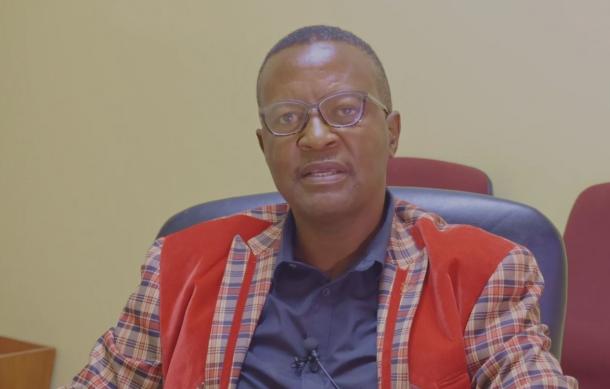
As Namibia prepares to mark its first-ever Genocide Remembrance Day, Okakarara Constituency Councillor Ramana Mutjavikua is calling on the nation to reflect on the past and foster unity.
Speaking from the Otjozondjupa Region, Mutjavikua stressed the importance of remembering the country’s painful history — particularly the 1904 to 1908 genocide — and using it as a foundation for national healing.
"What happened in Cassinga, what happened in Hamakari, and what could have happened in Ongulumbashe are all part of the same dark history," he said. "We were all, from different angles, fighting for one thing, and that is our total liberation and independence of the Namibian nation."
He urged Namibians to treat Genocide Remembrance Day with the same seriousness as other historical commemorations.
"We need to recognise, as we did with the 28th of May, Cassinga Day, and Ongulumbashe Day, and we need to give due recognition to the impact the generation and after-generation would carry as victims and descendants of the victims of what happened on those specific days," he said.
Mutjavikua also raised concerns about land dispossession and economic exclusion, issues that still affect many communities today.
"It's a pity; it's painful that the very item that we lost, including land, is not seated in Germany; it's eating on Namibian soil," he said. "It's becoming high time that we should come up with measures that will put the affected communities on the trajectory of mainstreaming them economically while we are enjoying the peace and stability that is prevailing within the borders of an independent Namibia."
Namibia will officially commemorate Genocide Remembrance Day tomorrow, honouring the victims and descendants affected by one of the darkest periods in the country’s history.