


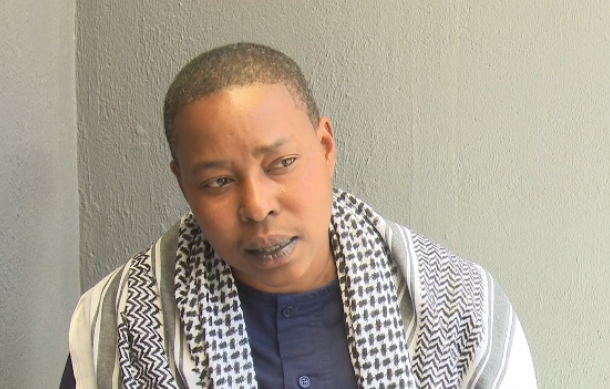
A senior South African gender justice and international law fellow, Wendy Isaack, said that while Namibia and other African governments support the inclusion of apartheid in the UN Draft Treaty on Crimes Against Humanity, its current legal definition is outdated.
She was speaking ahead of a discussion with civil society partners, noting that the treaty relies on the conventions of the 70s.
Isaack further raised concern that public discussions on the treaty remain minimal in Namibia. She stressed that, although the Namibian government is taking notable steps at the international level, it is essential to mirror that engagement domestically to ensure citizens are informed and involved.
Isaack emphasised the urgent need to elevate national conversations, particularly through civil society organisations and human rights activists, to help shape a unified national stance.
"We should engage in dialogue and monitor our government's actions, our domestic efforts, and the extent of public awareness and education we are involved in to ensure it is clear that this treaty addresses apartheid. We are implicated not only by our own history but also through our solidarity work related to Palestine, highlighting the lack of accountability present."
A concern Isaack raised is the treaty's outdated legal definition of apartheid, drawn from 1970s-era conventions, which focuses narrowly on biological notions of race.
She warned that this limited framing risks excluding modern forms of apartheid, specifically pointing to Israeli practices in Palestine.
According to Isaack, such a definition would effectively deny Palestinians both accountability and protection under international law, an outcome she said would be unacceptable.
"It's old-fashioned; it doesn't take into account that race is a social construct. What are the consequences of using an old definition? That's what we need to focus on. The consequence is that where there are contemporary forms of apartheid, and I'm going to be very precise, Israeli apartheid policies and practices in Palestine would be excluded by this definition. If a convention is passed by the UN system with the definition as it stands, it would exclude Palestinians from protection. And it would exclude Israeli perpetrators of the crime of apartheid from accountability. And we cannot have that."
Isaack pointed out that no one in Namibia or South Africa has yet been held accountable for apartheid crimes despite their devastating impact, highlighting the treaty's role in filling this justice gap moving forward.