


Namibia's total budget requirement to meet its Universal Health Coverage targets is estimated at N$16.1 billion.
This was revealed at the launch of the Ministry of Health and Social Services' Ministerial Strategic Plan for 2025 to 2030 and the Universal Health Coverage Policy Document in Windhoek on Monday.
The health sector continues to face persistent challenges – especially in rural health service access, health equity, medicine stockouts, waiting times and the quality of health services, among others.
"We need to prioritise government funding for health, and this is financed through the progressive financing mechanisms. Government will also mobilise resources from the available budget through efficiencies and engage the Ministry of Finance and the private sector and others to advance UHC, and we are also planning to establish a national health equity fund to address some of these equity gaps in accessing care," said Deputy Director for Health Finances, Ambrosius Uakuruma.
Out of that N$16 billion, N$2.9 billion will be allocated to human resources for healthcare, N$12.3 billion to health infrastructure, N$100.4 million to pharmaceutical and clinical supplies, N$66.1 million to medical equipment and ambulance services, and N$35.8 million to health service delivery.
"If you look at the investment in the health sector, they are not so bad, but they can be better, and we talk a lot about health services," said Executive Director Penda Ithindi, adding that "funding the universal health coverage, a lot needs to be done, and that's why we have all these discussions because there are a lot of gaps that need to be closed for us to be where we want to be, but in it quality spending is also important."
It is against this background that the ministry launched the Ministerial Strategic Plan for 2025–2030 and the Universal Health Coverage Policy Document, aimed at improving the quality of health services in the country, with a focus on the four strategic areas.
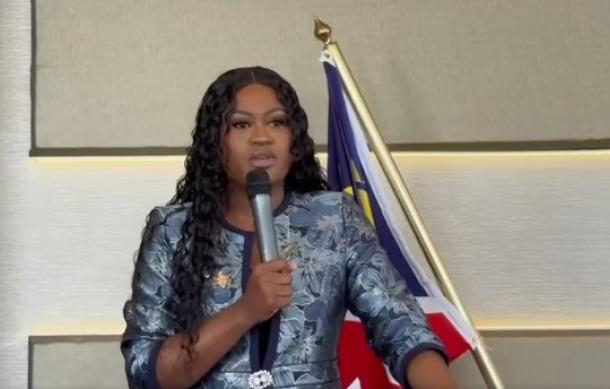
Health Minister Dr. Esperance Luvindao said, "We spoke about efficiency and what it means, and the previous speaker spoke about innovative health financing, which is very key and close to my heart. But as much as we speak about innovative health financing, we must speak about efficiency. Yes, we want to fund innovative ways of doing things, but also we want what we have to be more efficient."
Also speaking at the event was Dr. Richard Banda, Country Representative of the World Health Organisation (WHO).
"The UHC policy approved by Cabinet in 2025 aims to ensure that all Namibians can access the health services they need when and where they need them without the risks of financial hardship."
These strategies are said to be in alignment with the country's national development goals, as they aim to set the stage for the transformation era in healthcare delivery.