


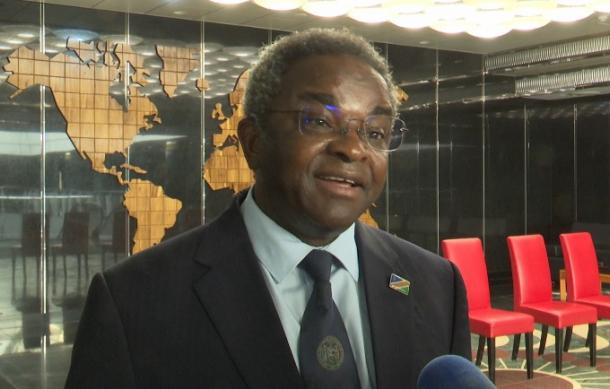
The Independent Patriots for Change (IPC) says it supports the urgent consideration of bills brought before Parliament but warns that urgency must be matched with organised diligence.
IPC leader Dr. Panduleni Itula was reacting to President Netumbo Nandi-Ndaitwah's address at the opening of Parliament earlier this week.
The Presidency has, however, made it clear that the Head of State did not call for rushed laws.
In her address, President Nandi-Ndaitwah appealed to lawmakers to prioritise the speedy consideration of public-proposed amendments to several laws, describing them as critical to ensuring meaningful national benefit from the country's resources.
However, Itula said that in a constitutional democracy, vigorous questioning is not a nuisance but a protection.
He warned that when Parliament passes bills too quickly, the political class may celebrate, but it is the poor who ultimately pay the price.
Dr Itula said the consequences are often felt through lost jobs, stolen resources, collapsing public services and a widening gap between the rulers and the ruled.
On this basis, Itula said the IPC, as the Official Opposition, rejects the notion that passing fewer bills automatically amounts to failure.
Instead, the party is proposing corruption-risk screening for every bill, as well as the early publication of proposed legislation to allow for real-time public input.
Another recommendation from the IPC is the narrowing of discretionary powers through anti-capture drafting, alongside the creation of appeal and review mechanisms.
Dr Itula described the President's address as careful and institutionally safe.
He said the IPC will judge the Executive and Parliament not by the speed at which bills are passed, but by the integrity of scrutiny.
State House reacted to Dr Itula's statement.
The Press Secretary for the Presidency is Jonas Mbambo.
"It is important to clear up one thing. The president did not call for rushed laws or for parliament to become, quote-unquote, a rubber stamp. What she said is very simple. The country needs quality laws, and it needs them on time because the challenges our people face cannot be put on hold forever. At the end of the day, the responsibility for passing laws sits with parliament. And as you know, we have a very clear separation of powers in Namibia. The Executive does not control how parliament debates or votes. That is the constitutional duty of members of Parliament themselves. It is the Namibian people, the very same citizens who elected them and who expect results that make their lives better. The president also called on MPs to rise above partisanship and to focus on solutions. Parliament should not become a stage for political theatre or point-scoring. She was equally clear that no one is above the law and welcomes inputs from all sides."