


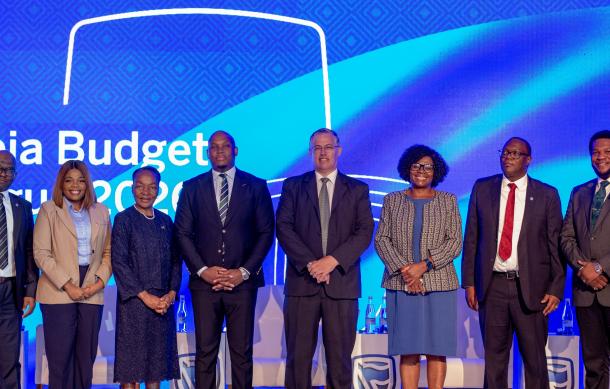
Government officials, business leaders and economists gathered in Windhoek on Wednesday morning for the Annual Budget Dialogue 2026, where speakers reflected on Namibia’s recently tabled 2026/27 National Budget and the role it will play in shaping the country’s economic future.
The dialogue, hosted by Standard Bank Namibia in partnership with Market Watch and Business 7, was held under the theme “Powering Our Future".
Providing the opening remarks at the event, Standard Bank Namibia’s Chief Finance and Value Management Officer, Arlington Matenda, said national budgets reveal both the ambitions and responsibilities of a country.
“The national budget reflects our choices, constraints, and aspirations,” Matenda said, noting that its effectiveness ultimately depends on how successfully it is implemented.
He added that the 2026/27 budget reflects an effort to balance fiscal responsibility with long-term development goals. However, he stressed that disciplined implementation, expenditure control and continued reforms will be key to ensuring that the budget achieves its intended outcomes.
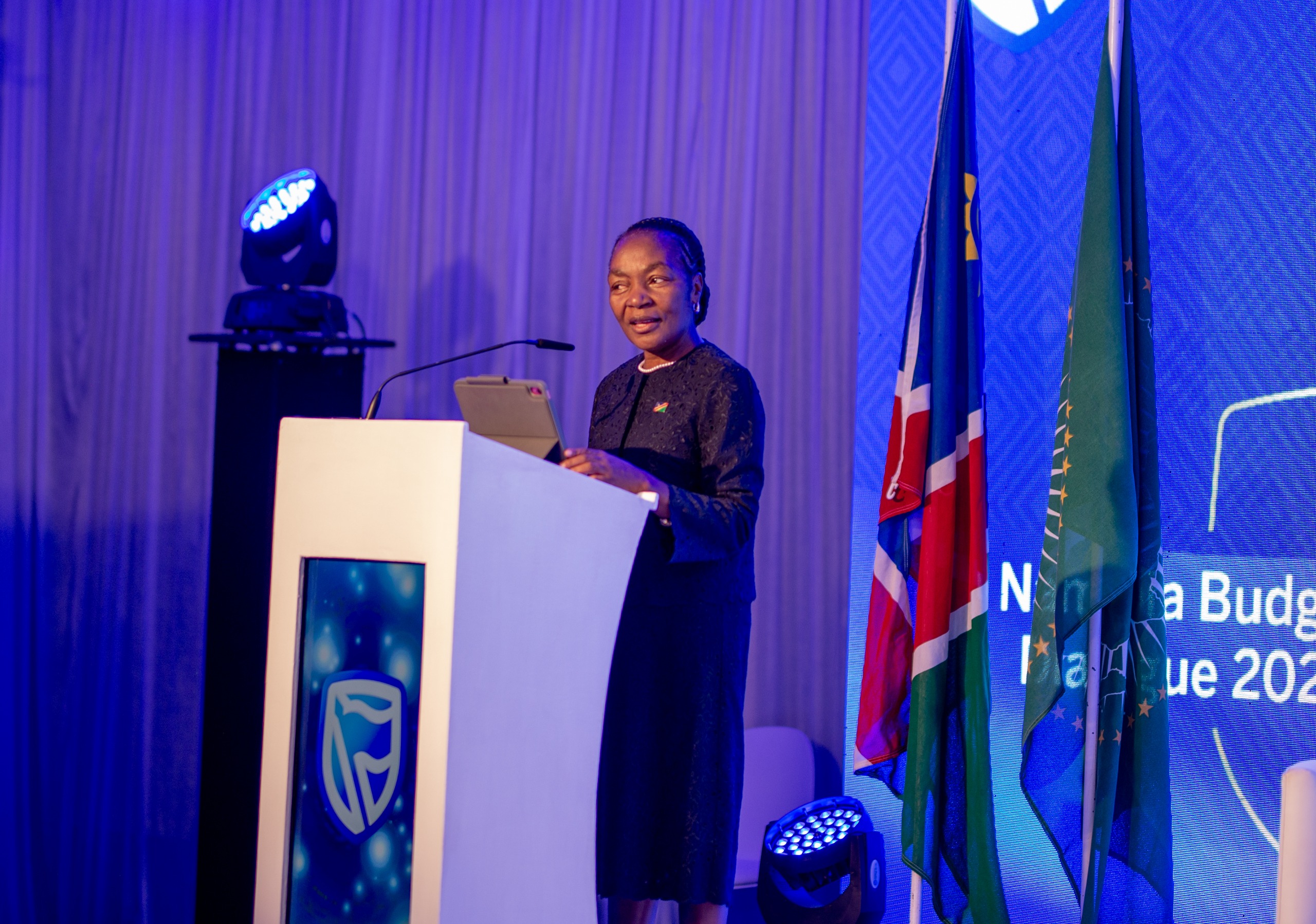
The keynote address was delivered by Minister of Finance Ericah Shafudah, who presented the national budget in Parliament on 26 February.
Shafudah told participants that the national budget should not be viewed merely as a government document but rather as a national development tool that requires cooperation between governments, businesses, and citizens.
“It is a national development instrument,” she said, adding that its success depends on collective effort and active engagement across sectors.
Ensuring that the 2026/27 budget does not come at the expense of vulnerable communities, the minister explained that the government “remains committed to investing in infrastructure, recognising that improved roads, ports, energy supply and digital connectivity are critical enablers of economic activity and job creation”.
Shafudah also emphasised the importance of investing in human capital, noting that Namibia’s long-term development depends on the productivity and skills of its people.
“Namibia can only become a truly industrialised country if we invest in human capital,” she said, highlighting education and health as key areas of government spending.
The minister acknowledged that operational spending remains high but explained that many public services rely heavily on human resources, making such expenditures necessary.
She also encouraged public engagement with the national budget, saying that debate allows shaping the country’s financial path in the future.
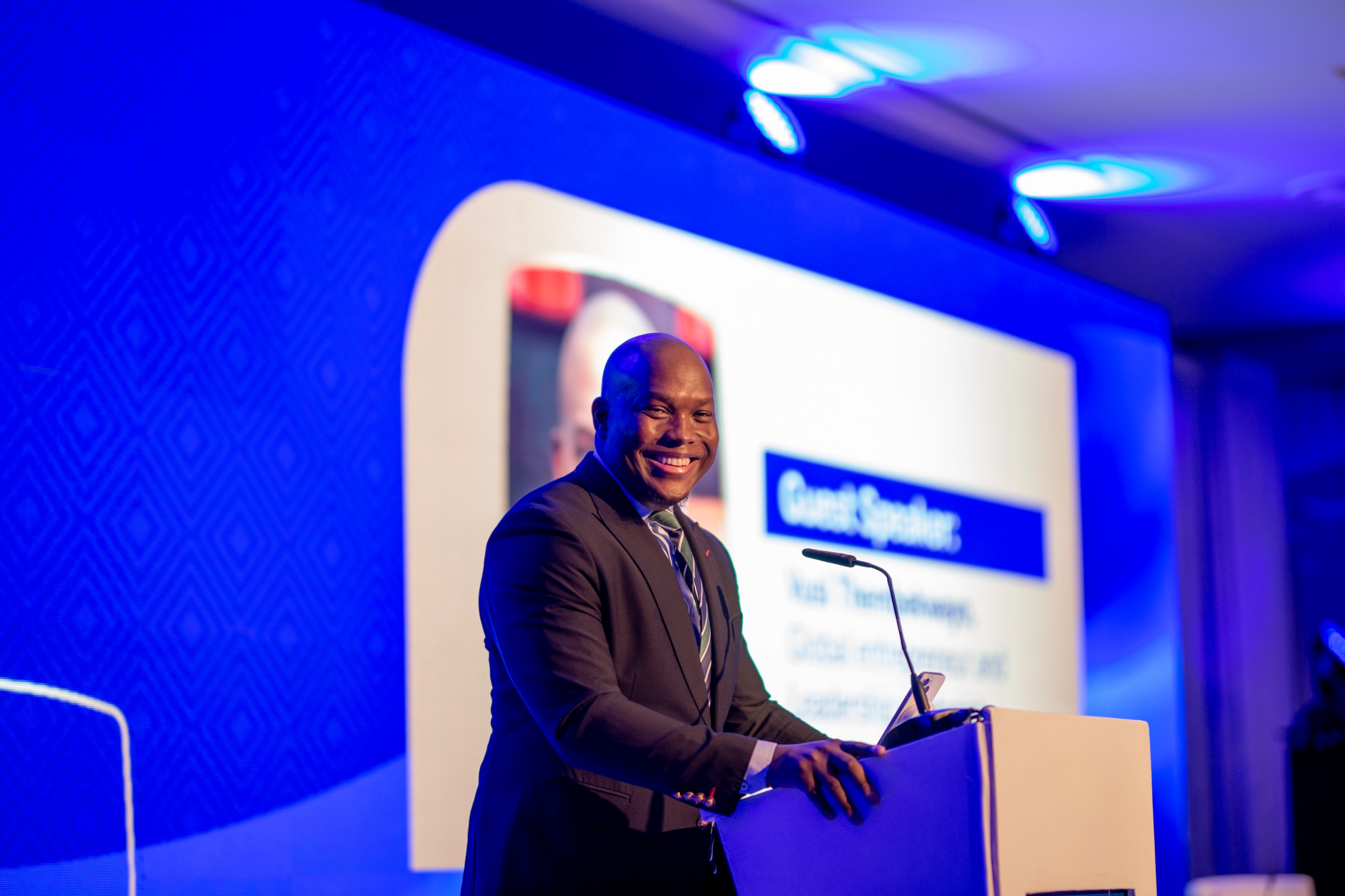
The dialogue further featured a keynote address by global entrepreneur and famous South African leadership strategist Vusi Thembekwayo, who shared insights on economic leadership, resource management and Africa's place in a rapidly changing global economy.
Thembekwayo reflected on international examples, including the experiences of countries that have major natural resources, such as oil, and cautioned that resource wealth alone does not automatically translate into prosperity.
He said nations must be strategic about how they manage their resources and negotiate with investors, ensuring that development ultimately benefits their citizens.
“We must welcome investors, but we must also set the terms,” he said.
Thembekwayo also encouraged African countries to take greater risks in emerging sectors such as artificial intelligence, warning that the continent could otherwise fall behind.
“Africa missed the first and second Industrial Revolutions,” he said, urging people not to miss out on an opportunity to participate in the technological and industrial developments of the future.
Drawing from his personal experiences in Namibia, where he has family connections through his wife, Thembekwayo described the country as a place with unique potential and a strong national identity.
He said Namibia still has the opportunity to shape its development path carefully, maintaining a balance between openness to investment and the preservation of its values and interests.
Discussions during the event also focused on entrepreneurship and productivity. Thembekwayo noted that Namibia needs strong programmes to support local start-ups and help entrepreneurs access capital.
Rather than encouraging entrepreneurs to seek funding abroad on their own, he suggested that Namibia could create targeted programmes to identify promising young businesses, allow them to form part of a cohort and connect them with both local and international investors.
During the panel discussion, industry leaders stressed that economic transformation requires close cooperation between the government and the private sector.
Standard Bank economist Helena Mboti noted that the government alone cannot drive economic empowerment and that the private sector should play an active role in supporting national development goals.
She added that industries such as the creative sector could benefit from increased private sector participation, including sponsorships and strategic investment.
Participants also emphasised the need to align national development frameworks, such as the National Development Plan 6, with private sector priorities in order to accelerate economic growth and job creation.
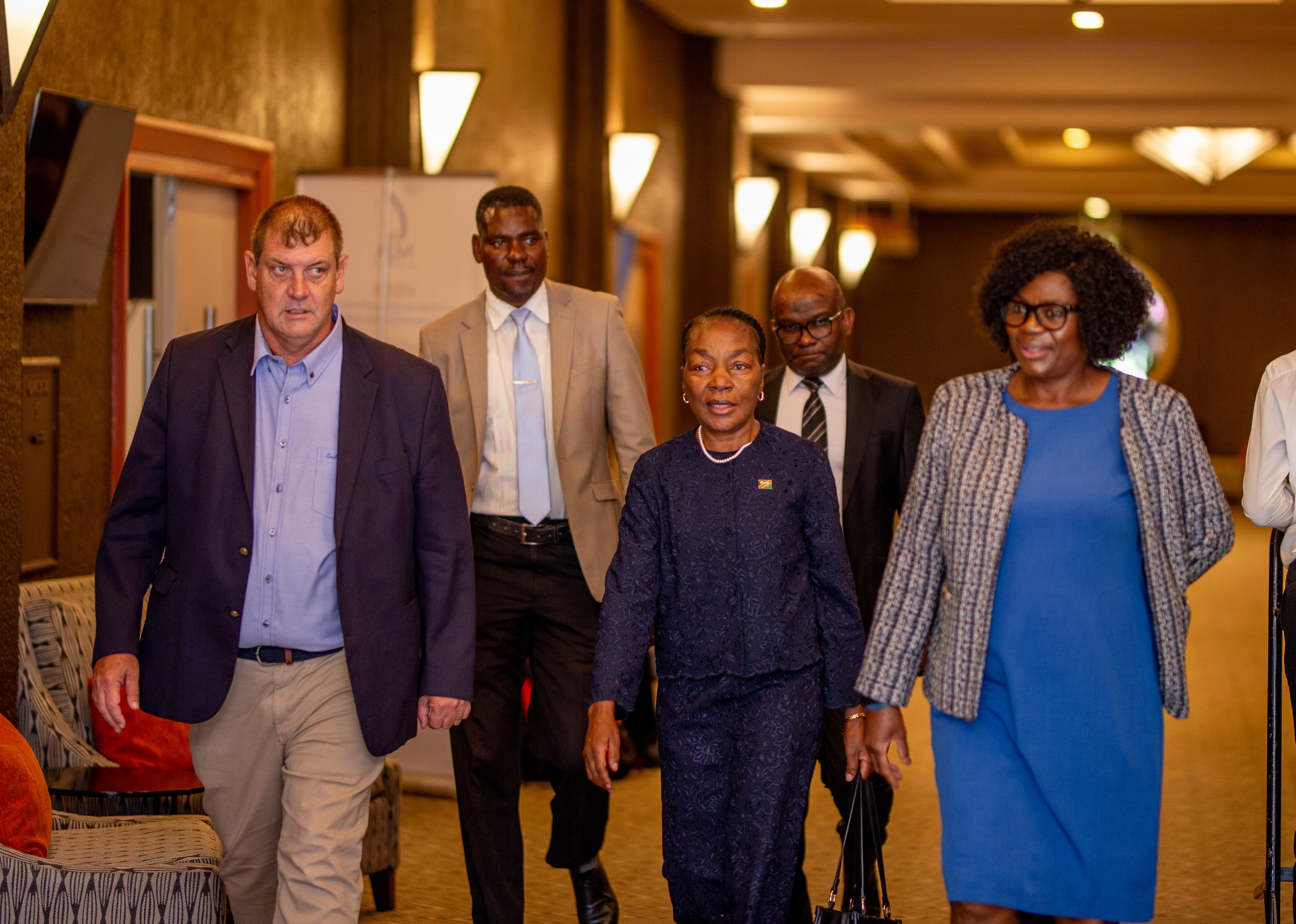
Closing the event, Nangula Nelulu-Uaandja, Executive Director of Emeraldsand Platforms, encouraged stakeholders to approach Namibia’s economic future with both caution and optimism, saying that productivity remains key.
She stressed that while the country must remain open to foreign investment, it should also ensure that agreements are structured in ways that benefit Namibians.
“We must invest on our terms,” she said, reflecting on a particular point repeatedly made during the debate.
At the same time, she urged leaders to maintain a positive mindset when considering new opportunities.
“If we find reasons to say no,” she said, “we must also find reasons to say yes.”
The Annual Budget Dialogue forms part of ongoing efforts to unpack the national budget and promote greater engagement between government, businesses and the public on the direction of Namibia’s economy.