


The Electricity Control Board (ECB) is in the final stages of developing guidelines aimed at improving how power networks are designed across the country.
Through the proposed guidelines, Namibia's electricity sector is moving toward more locally tailored planning standards.
The framework focuses on after-diversity maximum demand.
Delegates from across the electricity industry gathered in Swakopmund to add the final touches to the draft policy.
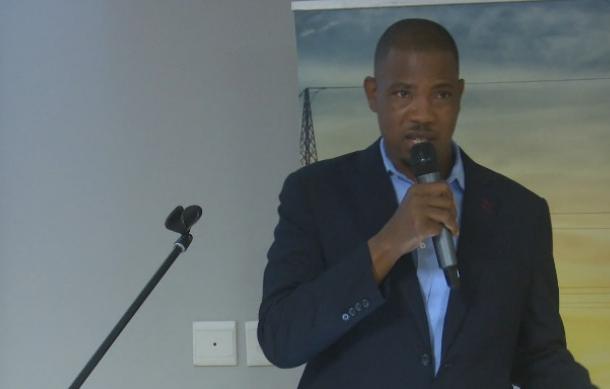
ECB Executive for Technical Regulations, Petrus Johannes, explained that "This initiative was undertaken in response to a recognised gap within the electricity supply industry. So, as a regulator, we just don't develop tools for the sake of developing them. They are being developed to address specific gaps. And for this specific tool, the gap that was identified was Namibia's reliance on regional standards that do not fully reflect the Namibian unique socio-economic conditions, local evidence, and evolving electricity usage behaviour when it comes to designing electricity networks."
Johannes said Namibia has long relied on regional standards that don't fully reflect local realities, leading to inconsistencies in how networks are planned and built.
The new guidelines are based on local data, including nationwide surveys and field research.
The project, now 90% complete, aims to standardise planning practices, reduce the risk of over- or under-designing infrastructure, and respond to growing challenges such as urban densification.
The final guidelines are expected to be completed by the end of April, marking a step toward a more efficient and reliable electricity distribution system in Namibia.