


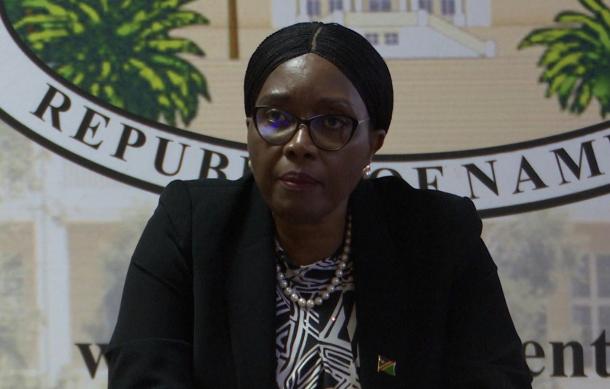
The Speaker of the National Assembly encouraged Namibians to unite and reflect on their history and its impact on society in remembrance of Genocide Day.
Saraa Kuugongelwa-Amadhila made the call during her message of genocide remembrance at the National Assembly.
The speaker says Namibia's Genocide Remembrance Day calls on the nation to reflect on the events of 1904 to 1908 with a deep sense of sombreness and purpose.
On the day, Namibian's she says remember those who perished and those who survived and lived out their lives with the trauma of this gruesome event, acknowledging the communities who bear that history to the present.
"What are fathers who died both during the resistance and during the war for national liberation to take the struggle to the final destination, that of a united and prosperous Namibia, where no one feels left out? And we all have that responsibility as Namibians across our different cultural groups to carry that spirit in everything that we do. And we should therefore go out in our numbers to commemorate the day, but we should commemorate that event throughout our lives on a daily basis."
The speaker further stressed the importance of addressing the unresolved question of recognition and reparation to achieve true justice and reconciliation, essential for healing and national unity.
"Our commitment must extend to the unresolved questions of recognition and reparation that remain on the national agenda. The 2021 joint declaration between Namibia and Germany represented a step forward, but Namibia has made clear that the concerns raised during the negotiations must be fully reflected in the declaration and its implementation to ensure that there is a closure to the horrific chapter of genocide and true justice for the affected communities and the Namibian nation. It is only then that healing and true reconciliation can take place."
Young people were also encouraged to engage with their national history to understand both challenges and strengths.
"To the younger generations of Namibians, this day is an opportunity to engage with a part of your national history that is foundational to understanding both the challenges and the strengths of this country. Knowing the history of the 1904-1908 genocide, the people who resisted, those who survived, and those who did not, is not separate from being an informed and engaged citizen."