


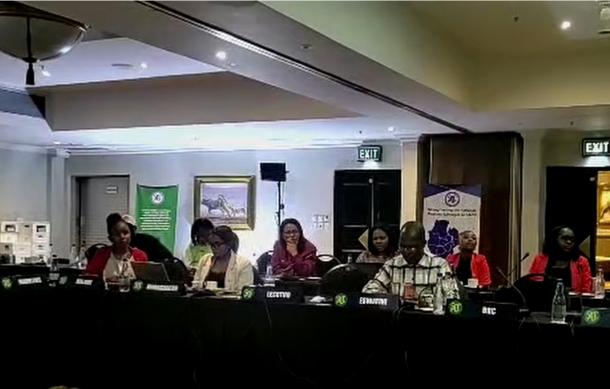
The Southern African Development Community (SADC) has launched its Communication, Awareness and Visibility Strategy for 2025–2030 in Gaborone, Botswana, today.
The strategy was approved by the SADC Council of Ministers in August, and the regional body's secretariat was tasked to initiate its implementation in close collaboration with member states.
The regional bloc's Regional Indicative Strategic Development Plan, the blueprint for regional development and integration, emphasises enhanced awareness and visibility of SADC, its mandate, activities, and impact.
SADC's Deputy Executive Secretary for Regional Integration, Angele Makombo N'tumba, who launched the strategy, described it as timely and well-founded.
The German Development Cooperation Agency (GIZ) supported the development of the strategy via the SADC-German cooperation mechanism.
GIZ's Head of Economic and Development Cooperation, Simone Goertz, stated that effective communication and visibility are essential for regional organisations to achieve their objectives.
"Your strategy is not merely about information dissemination. It is about building connections – between institutions, Member States, citizens, and stakeholders – to strengthen regional solidarity and shared identity. It is also about strengthening coordination channels between regional and national communication systems – to enable more consistent, impactful, and citizen-centred messaging across the SADC region."
SADC secretariat's head of communication, Barbara Lopy, stressed that the strategy is not only about communicating what SADC does, but also about why SADC matters.
"The SADC Communication, Awareness and Visibility Strategy 2025-2030 builds upon the solid foundation laid by the revised SADC Communications and Promotions Strategy 2016-2020. It reflects our evolving priorities, the insights we've gained, and the realities of an ever-evolving media landscape in which we now operate."
Various media practitioners, government officials, members of the diplomatic corps and other role players from the southern African region attended the launch.