


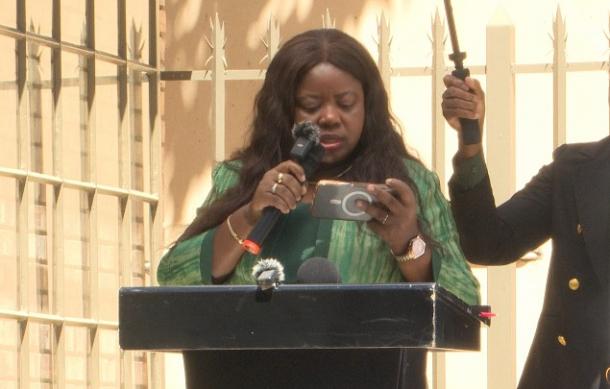
The Integrated Rural Development and Nature Conservation (IRDNC) has launched its Strategic Plan for 2026-2031 in Windhoek today.
Speaking at this launch, the Deputy Minister of International Relations and Trade, Jennely Matundu, says the government remains committed to community-based conservation.
Matundu further highlights that Namibia remains globally recognised for its success in community-based natural resource management and commended IRDNC for its long-standing contribution to strengthening the relationship between communities, wildlife and the environment across Namibia.
"Today Namibia currently has more than 87 registered communal conservancies and 43 community forests, covering a significant portion of the country's landscape. These conservancies have created opportunities for employment, tourism development and income generation while also contributing to the recovery and protection of wildlife populations."
She further stressed that conservation is not just about protecting wildlife and ecosystems but improving the livelihoods of people who live closely to these natural resources.
"Communities are the custodians of our landscapes, and their participation is essential in ensuring that conservation efforts are both sustainable and equitable."
The Executive Director of IRDNC, John Kasaona, says they are currently supporting 46 conservancies across two regions, with eight more in the process of being formed.
"We are committed to enhancing economic generation, improving carbon energy conservancy, improving wildlife management and promoting the sustainable use of natural resources. It is so critical for rural and urban communities that it is also a local economy."
The chairperson for the IRDNC Board of Trustees is Dr Malan Lindeque.
"This is the key role that NACSA members, including IRDNC, can play. It is essential to create opportunities and help people to exploit those opportunities for improved livelihoods, but of course also better conservation and better management of their natural resources."