


Roaming predators, a limited underground water supply, and the abundance of a poisonous plant known locally as Gifblaar or Otjikurioma continue to impact commercial farming operations in rural communal areas.
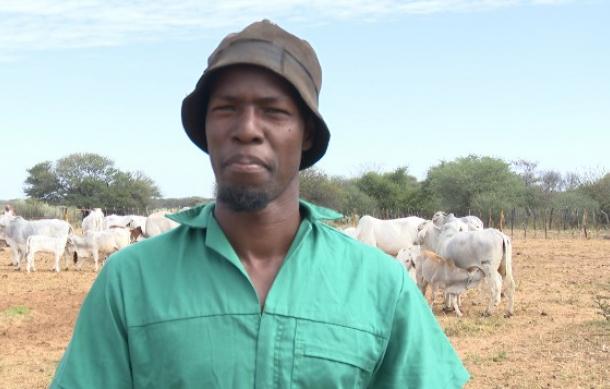
Speaking to NBC News, a young communal farmer at Otjovakuatjiti in the Otjombinde Constituency, Kuhepa Marenga, said it is not profitable to farm with stud breeds in the communal areas.
Marenga noted that they started off with a small number of white Brahman stud cattle with his late father, Karii Marenga, more than 25 years ago.
Various challenges in the area, especially the poisonous plants and predators, did not deter them at all at the time.
Marenga said that without these challenges, their Brahman cattle could have been at another level, as they have been using quality bulls to improve their genetics.
The farmer is of the opinion that if provided with a resettlement farm, it will be ideal for his project of producing quality livestock to prosper and contribute meaningfully to the country's economy.
At present, Marenga has employed eight people who assist him with livestock rearing.
"If you don't have another area where you can keep your livestock and no commercial space, when it's time for the poisonous plant to strike, which is normally from September to December, you suffer losses. Right now we are okay, as you can see the vegetation is still green, but during that difficult time we have to relocate some of our livestock."
To ensure the survival of their livestock, they relocate some of them to small camps, selecting only those animals they consider to be of good quality. They keep these animals in the small camps until the rainy season starts again, and then they return them to the dangerous field.
"In our other village, called Okatuuo, you will not find cows separated from their small calves, but here we keep the calves away from their mothers because of predators."
The farmer added that given the plethora of problems faced by the sector, he has learned that diversification is another key aspect, and it will require commitment and dedication in order to better his agricultural input.
"If you happen to be a lucky person and the government provides you with a small resettlement plot, I know with this quality product we have here it will become a serious business, and you'll sell top-quality bulls to fellow farmers in the area."
On his part, the regional councillor of Otjombinde Wenzel Kavaka acknowledged that Marenga has shown dedication and resilience at keeping quality livestock in that area, despite enormous challenges.
Kavaka added that Marenga is a testimony to other young people in the area and that he deserves support from all relevant stakeholders.