


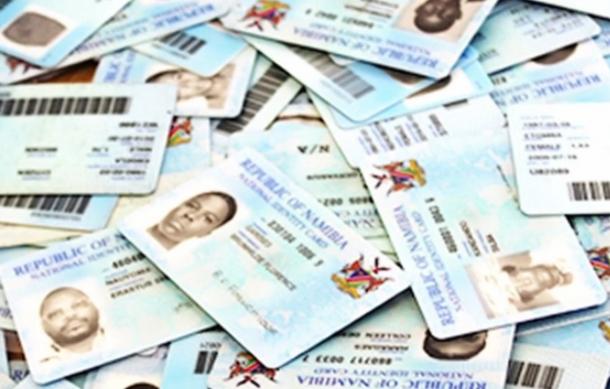
Namibia will begin rolling out its electronic identity documents (e-ID) in September 2026 as part of efforts to modernise the country's identity management systems and strengthen digital public service delivery.
The new identity document will contain a microchip with personal information, including the holder's identity number, names, nationality, date of birth, photograph and biometric information.
The director of National Civil Registration at the Ministry of Home Affairs, Immigration, Safety and Security (MHAISS), Oscar Mojapi, says the e-ID will help improve identity verification and prevent identity fraud.
"So this chip here is built in just under the coat of arms here. So it's not visible. It's hidden within the card to protect your information. So this is what we mean when we say electronic card. It has a chip inside. It's a physical card. Inside the chip, it has your personal information, just like what is on the card itself. And then additionally, there are two thumbprints in the e-ID. So when you, for example, go to the bank, like I was saying earlier, the bank will say the bank will put your card on a certain device that will be able to read the information in the chip. And then the bank will say, 'Put your thumbprint somewhere on a different device.' So the information, your information on the thumbprint and the one in the microchip, should correspond if you are the same person."
The card will also introduce a new unique identity number that will no longer be linked to a person's date of birth.
The e-ID will be valid for 10 years, after which citizens will be required to renew their domains.
Officials have stressed that the electronic identity document does not involve implanting chips in people.
The e-ID is expected to support more efficient access to government and private sector services while also creating a foundation for digital identity and improving online authentication.
However, officials acknowledge concerns around privacy, cybersecurity and connectivity in rural and underserved areas.
"The e-ID refers primarily to the cards. Digital identity is really a digital representation of yourself that we keep within an authentication system. However, the one will allow you to create the other. So having said that, if we look from an identity perspective, your EID will lead to the formation of your digital identity, and that will then be within an authentication gateway which then serves as a single point of access to all other services," states OPM Director for Solution Architecture, Dr. Stefanus Van Staden.
Security measures, including encryption and other safeguards, will be implemented to protect personal information and prevent the cloning or tampering of identity cards.