


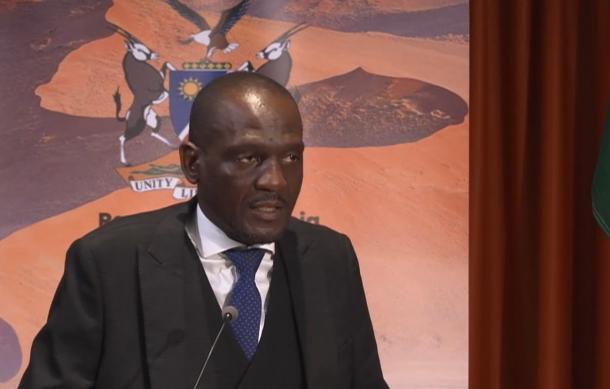
The Minister of Works and Transport, Veikko Nekundi, is calling for political leaders across Southern Africa to back climate science with funding, warning that early-warning systems cannot protect communities if governments fail to finance them.
The minister issued the warning at the 33rd Southern Africa Climate Outlook Forum in Swakopmund.
Veikko Nekundi said the region must move beyond political promises and commit real resources to the scientific systems that can save lives, protect infrastructure and prepare communities for climate extremes.
"There will be no better time for us, as SADAC member states, to move beyond mere applause and take meaningful action. Because the people of Southern Africa are counting on us, not for promises, but for protection. Experts are the first line of defence. You are the first line of defence. You are the ones who sound the bells before the storms. Who read the skies before the drought? Who warn us before hunger knocks on our doors? You deserve not only our gratitude but also our investments."
Nekundi stressed that investment must include weather stations, satellites, radars and data networks because that is the infrastructure scientists depend on to monitor changing weather and produce early warnings.
He said too many of these systems remain underfunded and understaffed, leaving countries vulnerable when extreme weather strikes.
For climate experts across SADC, science is becoming increasingly important as the region faces droughts, floods, extreme heat and severe storms.
The SADC Secretariat said the value of this scientific work goes beyond producing a seasonal forecast.
The real test is whether governments use that information when planning for infrastructure, agriculture, water and disaster response.
Infrastructure Director at the SADC Secretariat, Rauna Mukumangeni said, "The expertise of our climate scientists and specialists is essential in transforming complex climate data and analysis into information that can support practical decisions (4:05) across the region. The value of SARCOF therefore extends well beyond the production of a seasonal climate outlook. It is about translating science into actionable information that can support planning and preparedness across critical sectors."
The SADC region aims to move from reacting to disasters to preparing for them – protecting lives, infrastructure and livelihoods before extreme weather strikes.