Namibia Heritage Week kicks of in Windhoek
Breadcrumb
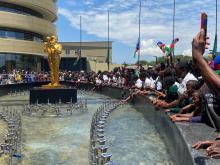
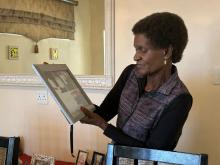
The Namibia Heritage Week officially kicked off in Windhoek on Monday.
Established in 2012, the event aims to celebrate and preserve the country's rich cultural diversity and heritage.
The Namibia Heritage Week officially kicked off in Windhoek on Monday.
Established in 2012, the event aims to celebrate and preserve the country's rich cultural diversity and heritage.
The Head of Economic Affairs at the Indonesia Embassy, Ari Hadiman, has described the recent 2nd Indonesia-Africa Forum as a success.
The forum saw the signing of agreements between Indonesia and Africa in various sectors to the tune of about N$52 billion.
While the quote goes, Water is life, for many living in informal settlements, access to water is a daily struggle they have to face.
The Swapo Party has committed a budget of over N$85 billion over the next five years if given the mandate to continue governing.
The billions of dollars will go towards, among others, massive job creation for unemployed Namibians.
Swapo Party Vice President has called on party members to make use of the party's election manifesto when campaigning.
The Namibian Broadcasting Corporation (nbc) says it will cover all political party and entity manifestos on all its platforms.
In 2014, the nbc adopted a policy framework for elections, which has guided the national broadcaster in providing equal and fair broadcasting airtime to all political parties.
The president of the Rally for Democracy and Progress, Mike Kavekotora, and Vice President Kennedy Shekupakela retained their respective positions at the recently held 4th National Ordinary Convention in Rundu.
Funding for small and medium-sized enterprises in Africa remains a significant challenge, largely due to the collateral requirements imposed by financial institutions.
The Executive Director of the Africa Forum for Agricultural Advisory Services has called on African countries to urgently embrace partnerships to enhance food and nutrition security.
The cost of climate adaptation and resilience in Africa is estimated to be about US$50 billion annually over the next decade, representing two to three percent of the continent's GDP.