


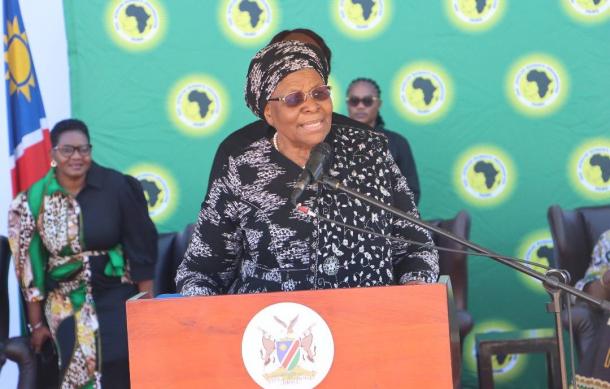
President Netumbo Nandi-Ndaitwah has reflected on the historic and ongoing efforts of African women in championing social and economic justice across the continent.
Speaking during the commemoration of the 63rd anniversary of the Pan African Women's Day, President Nandi-Ndaitwah acknowledged the vital role that women have and continue to play in challenging systems of oppression.
At the onset, President Netumbo Nandi-Ndaitwah called on the African continent to honour and recognise the contributions African women made to securing today's liberation.
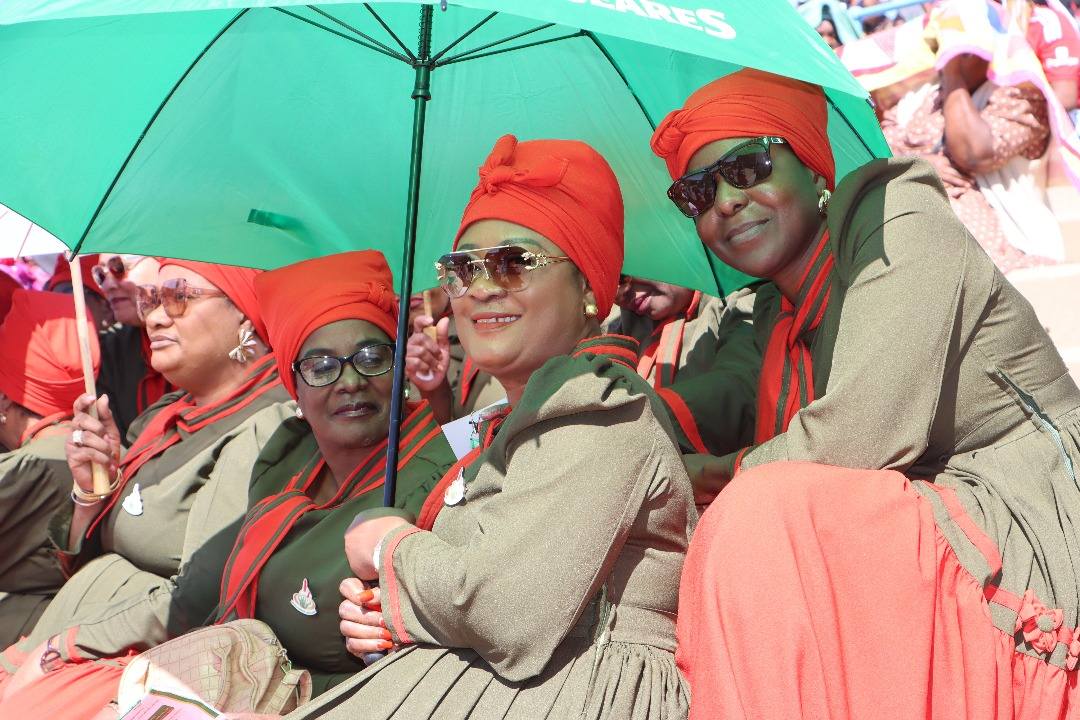
She described such contribution as a legacy that not only shaped Africa's past but has also inspired current and future movements for justice, gender equality, and economic transformation.
Founded in 1962, the Pan-African Women's Organisation (PAWO) was established to unite women across Africa in the fight against colonialism and systemic discrimination.
President Nandi-Ndaitwah stressed the importance of amplifying the voices of women and girls, particularly those from Indigenous communities, in decision-making processes related to reparations, transitional justice, and gender equality.
"We cannot ignore the stark reality that women often bear the brunt of societal inequalities, frequently sacrificing their aspirations for the well-being of their families. To address these challenges, we must empower women and girls through education, economic opportunities, and healthcare access, while also advocating for policies that protect their rights and dignity."
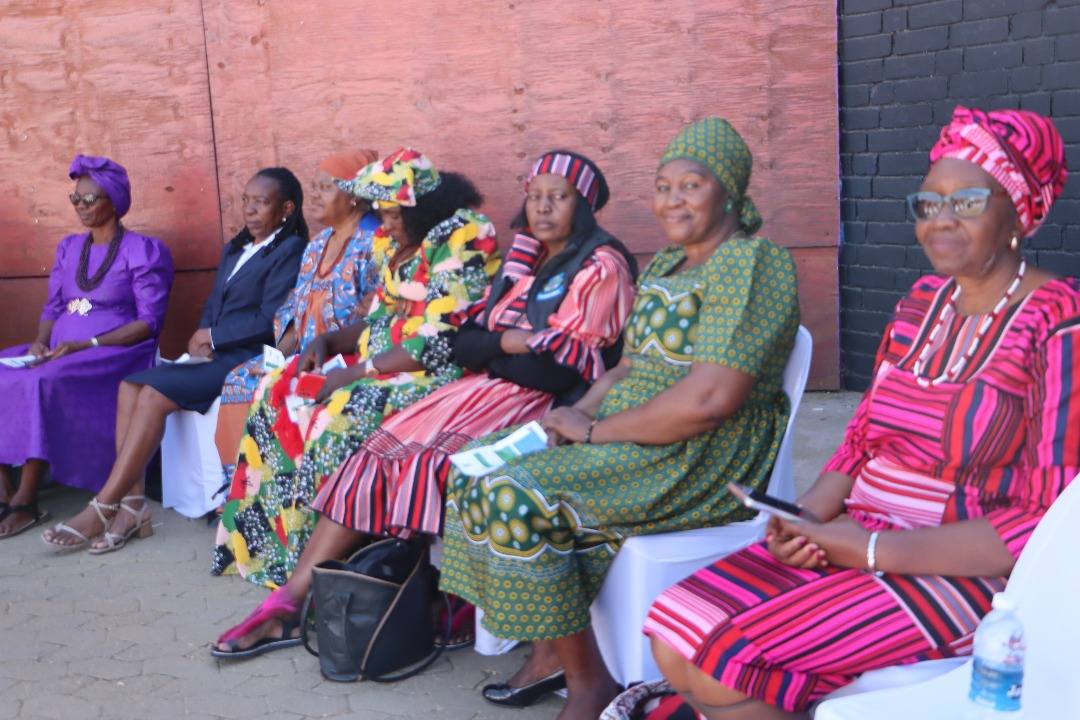
The President highlighted Namibia's rich history of resistance, noting that women's contribution extended beyond the liberation struggle to defending land and challenging systemic oppression.
"The wounds that were inflicted by the colonial oppression, land dispossession, gender-based violence, and economic exclusion should never be forgotten; rather, they should shape our present realities and harden our resolve to stand up against injustices everywhere. We should also be alert against neocolonialism, particularly now that geopolitics is changing very fast."
PAWO President Eunice Iipinge stated that this anniversary envisions an Africa where women and girls enjoy full equality and opportunity.
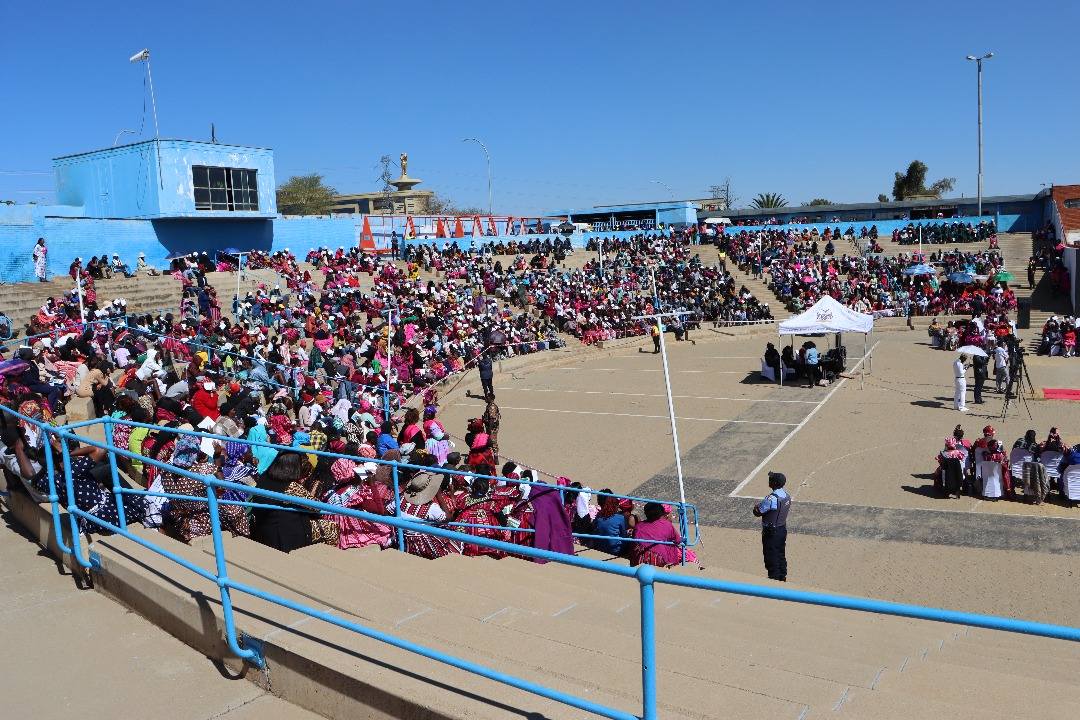
Achieving this, she noted, requires acknowledging that current inequalities are a result of specific historical processes that can be changed.
"Transformative change means moving beyond merely adding women to existing systems towards fundamentally restructuring those systems to be more inclusive and sustainable. PAWO calls upon all stakeholders to join in advancing reparative justice for African women."
The day was held under the theme "Advancing Social and Economic Justice for African Women through Reparations."