


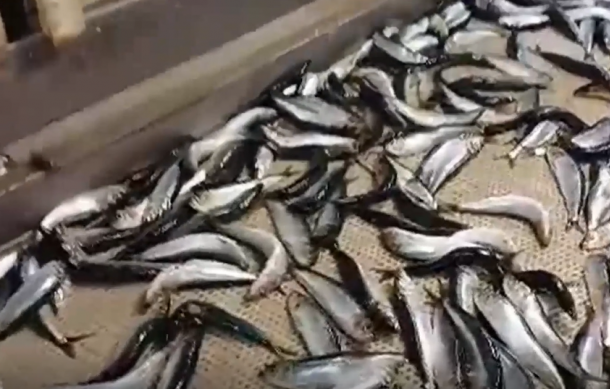
The Wet Landed Small Pelagic Association commended the government for introducing a strict 2% bycatch threshold for fishing companies.
If a vessel is not licensed to land certain marine species, only 5% are permitted to be caught as bycatch.
In the December 2024 report, the Fisheries Ministry raised alarming concerns about bycatch volumes of pilchard and juvenile hake.
The report indicated that some bycatch recordings may have been deliberate and dubious.
In June this year, pilchards worth N$23 million were reportedly landed as bycatch by horse mackerel vessels.
After reports from fisheries observers and objections from small pelagic industry players, the government introduced a 2% bycatch threshold to reduce wasteful harvesting.
The government further increased the penalties, including the suspension or cancellation of licences for repeated violations.
A public register of violators will further be introduced to ensure transparency.
The Wet Landed Small Pelagic Association is thrilled, describing the move as a sustainable practice.
Chairperson Johny Doeseb said the increased penalties and enhanced public accountability are significant steps toward protecting the marine ecosystem.
Doeseb, in a statement, indicated that the new regulations position Namibia within international best practices.
The association called on the responsible government agencies, including the police and fisheries observers, to ensure full and consistent implementation of the new rules.
Doeseb highlighted the crucial role of the fisheries observers in collecting scientific evidence from the fishing grounds.
However, the country is in short supply of observers needed to cover all fishing vessels in Namibian waters.
Last month, the Fisheries Observers Agency expressed concern about the dwindling numbers of observers.