


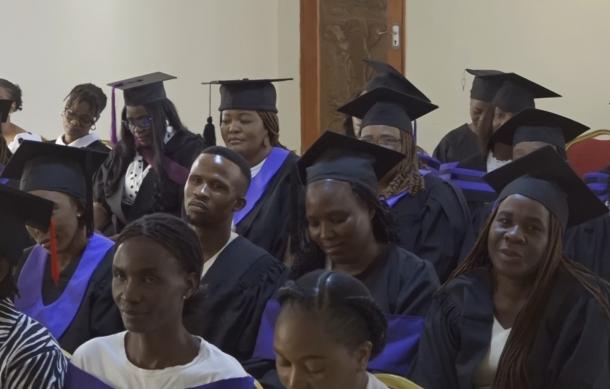
More than 40 early childhood development (ECD) educators have successfully completed a specialised training programme designed to empower and sharpen their skills at the Ministry of Gender Equality and Child Welfare in Otjiwarongo.
Early childhood development is a critical foundation for lifelong learning, health, and well-being, and the work done by educators shapes not only the future of individual children but also the future of the nation.
The programme aims to strengthen the professional capacity of ECD teachers, ensuring they can provide quality early learning experiences for young children.
ECD teachers need continuous training because the early years are the most critical stage of a child's brain development.
Properly trained educators are better equipped to understand child psychology, manage diverse learning needs, create safe and stimulating environments, and use age-appropriate teaching methods.
Many ECD centres also rely on community members who have a passion for children but may not have formal qualifications; training helps bridge this gap and improves the overall standard of care and education.
Otjozondjupa Regional Council's Director of Development Planning, Monitoring, and Evaluation, Wilma Guriras, said that a child speaking good English is not a sign of good education.
"Children may learn to speak well from cartoons on TV, but just because someone can speak nicely when placed on a podium does not mean they can write; they need to be able to read and write."
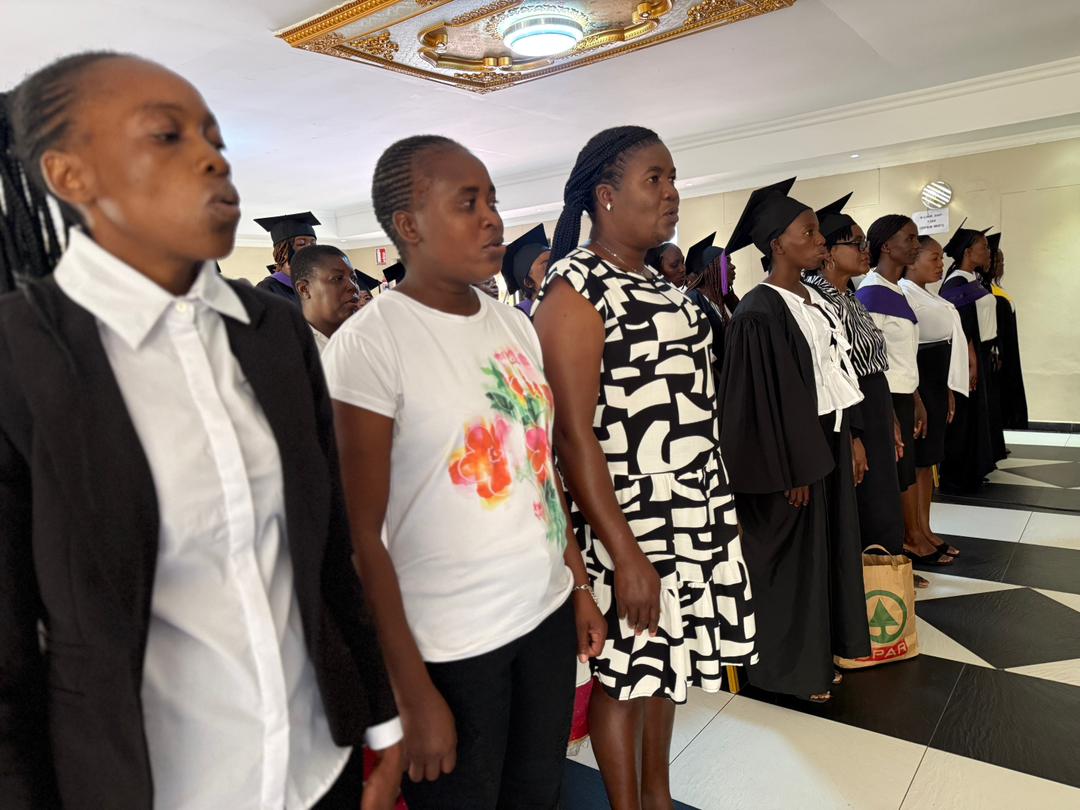
The graduates, drawn from different ECD centres across the Oshikoto and Otjozondjupa regions, completed an intensive, seven-week programme.
They were awarded certificates in recognition of their newly acquired skills, which are expected to significantly enhance the quality of early childhood services in their communities.