


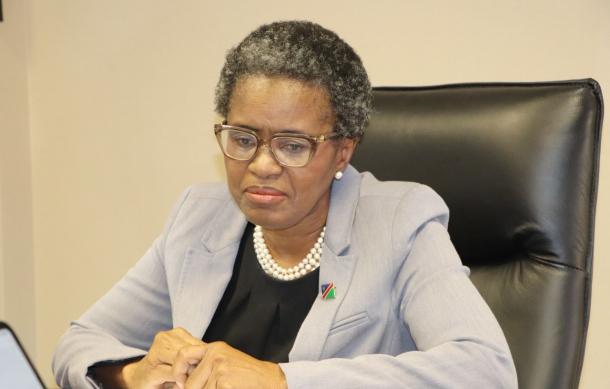
The Ministry of Environment, Forestry and Tourism has made over N$ 160 million from trophy hunting through joint venture tourism and over 20 million through conservancies.
Daniel highlighted that the trophy hunting is done in a sustainable manner and under the regulatory framework.
She added that the process of quota setting for communal conservancies and national parks stems from the obligation and guarantees that conservative utilisation of wildlife remains sustainable.
"There are guidelines that are governed, which are already established, and that are guided before when you issue quotas for both your own use and also for trophy hunting. And this is done in a three-year cycle. This approach was adopted to enable conservancies in national parks and farmers to attract and enter into contract with hunting operators in a manner that facilitates the smooth marketing of hunts."
In addition, the Minister highlighted that the increasing pressure from international ideological anti-hunting interest groups to ban trophy hunting poses severe threats to the communal conservancy programme.
"Trophy hunting contributes to conservation efforts by providing financial incentives to the communities, where alternative forms of land use, such as agriculture or tourism, are less viable. Specifically, the financial support generated through hunting fees is often directed towards hunting, anti-poaching, patrols, habitat management and community development programs."