


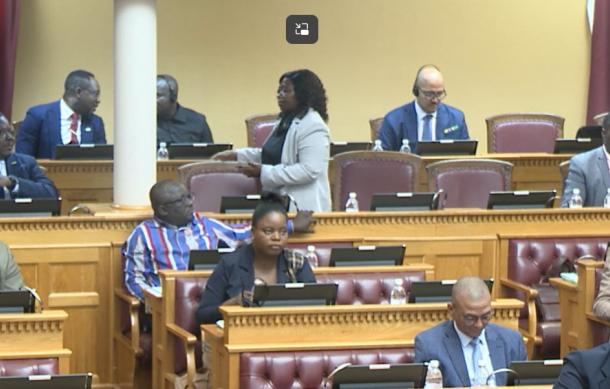
Members of Parliament raised sharp concerns over the Public Enterprises Governance Amendment (PEGA) Bill during its debate, questioning its potential overlap with existing laws and its push to centralise control of state-owned enterprises (SOEs) under the Prime Minister's office.
Introduced by Prime Minister Dr Elijah Ngurare, the amendment shifts oversight from line ministers to the Prime Minister, granting him authority over board appointments, removals, and senior executive decisions to boost efficiency and accountability.
Namibia's SOEs control assets worth over N$60 billion, and Swapo MP Pohamba Shifeta argued for urgent reform. "If even half of them performed at private sector benchmarks, we would unlock jobs, dividends, and better services without raising a single tax," he said.
However, critics highlighted gaps in the original PEGA Act and risks of duplication. AR leader and Associate Professor Job Amupanda pointed out that "the existing Act says the minister must establish 'generally accepted' principles – but doesn't say by whom. No minister has ever defined these corporate governance principles. This amendment doesn't change that; it just swaps 'relevant minister' for Prime Minister."
IPC MP Michael Mwashindange called the bill a threat to governance. "Presented as reform to enhance efficiency and accountability, it raises profound concerns about integrity, institutional balance, and eroding oversight of public resources," he said. He added, "Reform of public enterprises is not only necessary – it is urgent. Many SOEs have underperformed, imposed fiscal burdens, and failed to deliver optimal public value."
Leader of the Official Opposition in Parliament Immanuel Nashinge questioned the bill's constitutionality, arguing it duplicates the mandate of the Public Service Commission under Article 112 of the Namibian Constitution. "We already have an Act to govern SOEs. Now we're adding PEGA on top, which should be sufficient. All we need is to give the Public Service Commission true independence," he said.
In response, Prime Minister Ngurare defended the bill, rejecting calls to fold powers into the PSC. "Adding to the Public Service Commission clouds the path. It is an entity with its own legislative framework," he said. He clarified: "The assumption is that the PSC is under the Prime Minister – but it is appointed by the President."