


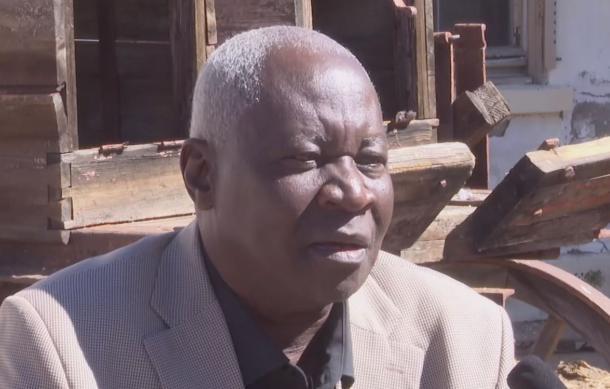
Former Member of Parliament and historian Usutuaije Maamberua has praised the Namibian government for hosting regional events to commemorate the Ovaherero and Nama genocide.
However, he is also calling for the renaming of the Independence Memorial Museum in Windhoek to the 1904-1908 Genocide Museum.
Speaking earlier on Namibia Connects, Maamberua highlighted the importance of remembering the 1904-1908 genocide, during which an estimated 85,000 OvaHerero and 10,000 Nama people lost their lives.
Ten years ago, on the 26th of April 2016, Maamberua - then a SWANU MP - rose in the National Assembly to propose a historic motion to declare the 28th of May as National Genocide Remembrance Day.
Maamberua, concluding in about 23 minutes of his motivational speech, and several MPs added their views.
On the 28th of May, some 118 years ago, the commander of the colonial German Schutzruppe ordered the formal closure of all Ovaherero and Nama concentration camps in the then German South West Africa.
"We now have a genocide remembrance day, although I have to make it clear that we are not only remembering the day; rather, we are commemorating the genocide itself, the cruelty, the suffering of our people, the rape of the women, the exploitation of our people, the slave labour, and everything that comes with genocide."
Maamberua also commended the government for taking the commemoration activities to different parts of the country, saying it allows more communities to participate in remembering the victims and reflecting on Namibia's painful history.
"Commemorations are being rolled out to all the 14 regions of Namibia. And that is something commendable. Because charity begins at home, meaning that our fellow Namibians now have the chance to be informed about what transpired to fellow men and women.
Nonetheless, the former SWANU president noted that the Independence Memorial Museum in Windhoek was built on grounds closely linked to the genocide and therefore suggested that the institution be renamed to honour the memory of the victims.
"As you know, that place where the museum is constructed is on the bones of our ancestors, on the spirit of our ancestors, because that was the concentration camp in Windhoek, and yet our government decided to erect that building and call it the Independence Museum instead of being honest and calling it a genocide remembrance centre in order to honour people that perished in those concentration camps."
Namibia officially set aside 28 May as Genocide Remembrance Day through Proclamation No. 19 of 2024.
On this day, individuals and communities across the country are encouraged to come together to reflect on one of the darkest chapters in Namibia's history.
Communities in various regions are already hard at work preparing and organising activities for the 2026 commemoration.