


Namibia's domestic borrowing strategy has come under scrutiny, with experts questioning whether it is a sustainable way to manage the country's debt.
The issue was discussed during a two-day roundtable on policy advocacy towards debt justice and its linkages to tax justice in Namibia held at Walvis Bay.
Namibia's domestic borrowing strategy pivots government financing towards local markets while avoiding borrowing for consumption.
The strategy supports economic resilience and minimises foreign exchange risks.
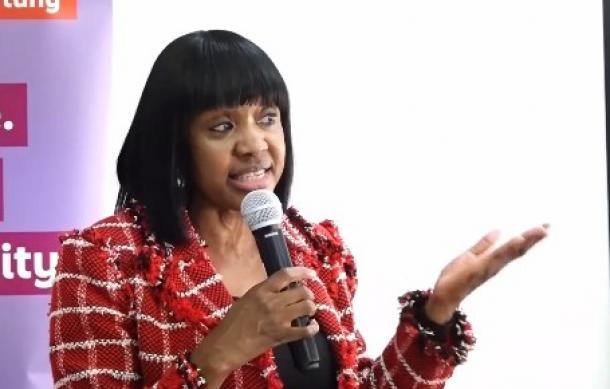
Project Manager at Friedrich-Ebert-Stiftung, Sylvia Mundjindi, states, "While we are proud that the Namibian government successfully repaid its 750 million Eurobond last year, this has resulted in a decline in foreign reserves. Consequently, our country has shifted its focus to domestic borrowing, resulting in an overall public debt of almost N$175 billion, which represents almost two-thirds of the country's GDP – largely due to increased domestic interest payments. Out
She said relying more on domestic borrowing does not adequately address Namibia's debt challenges, as such loans must be repaid at higher interest rates to attract local capital.
"There is growing concern among workers that ongoing domestic borrowing amid stagnant wages may lead to increased income tax, reducing their disposable income and making it harder for them to make ends meet."
TUCNA President Paulus Hango said many workers and businesses are already feeling the effects of the country's tax burden.
"High taxation reduces disposable income, limits business expansion, discourages investment and ultimately affects job creation. When businesses struggle to grow, employment opportunities become limited, particularly for our young people."
Hango stressed that economic growth cannot be sustained through taxation alone.
He called on the government to implement policies that promote production, entrepreneurship, industrialisation and investment to support business growth and create more employment opportunities.
The workshop was hosted by the Friedrich-Ebert-Stiftung in partnership with the Trade Union Congress of Namibia.