


The Anti-Corruption Commission (ACC) says secrecy and lack of transparency in the fisheries sector have made corruption harder to detect.
It is now calling for greater disclosure of fishing rights, quotas and licence holders.
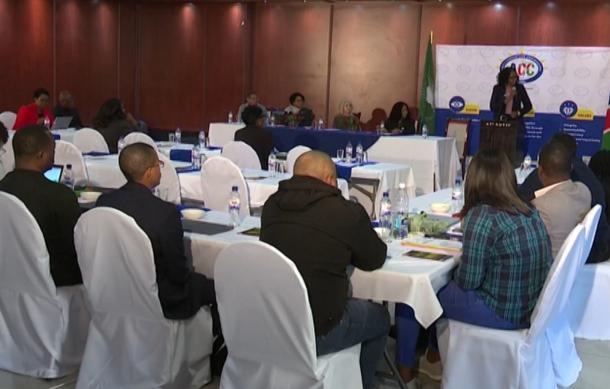
At a five-day corruption risk assessment, the ACC is pushing for stronger transparency and accountability in the fisheries sector.
Deputy Director General of the ACC, Erna Van Der Merwe reiterated, "It is therefore advisable, as has been mentioned in the past, that government consider, among other measures, publishing lists of right holders, quota recipients and licence holders, inclusive of beneficial ownership information, introduce beneficial ownership registers, publish information on total allowable catches and the scientific basis for those decisions. Consider amendments to the Marine Resources Act to address why discretionary powers are currently granted in the Act, and join the Fisheries Transparency Initiative and adhere to its standards and requirements."
The ACC stressed that weak ownership transparency can allow illegal fishing and financial crimes to go undetected.
"Weak beneficial ownership and asset transparency around vessels was identified as allowing those responsible for illegal fishing and environmental crimes to hide behind complex corporate structures such as shell companies, flags of convenience and offshore holding structures, thereby obstructing detection. Participants stressed that enhancing transparency and accountability frameworks support preventative efforts."
The Erongo Governor, Natalia |Goagoses said the assessment must lead to practical changes, rather than simply identifying risks.
"The success of this training will ultimately be measured not by what we discuss in this room, but by what we implement when we leave it. I, therefore, call upon all participants to ensure that the knowledge and recommendations emerging from this engagement translate into stronger systems."
The five-day assessment is expected to produce recommendations for the sector.