

Unemployment, low wages, and socio-economic pressures are driving Omaheke residents into severe debt.
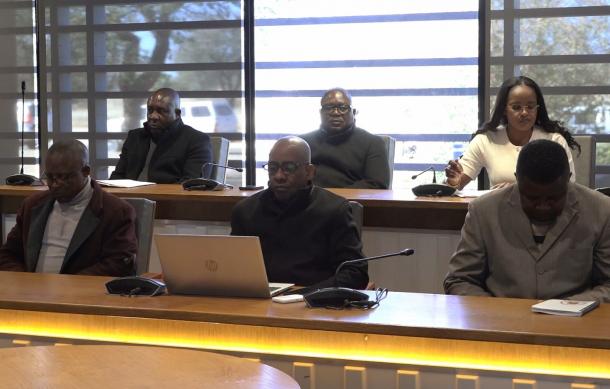
This emerged during a Parliamentary Standing Committee on Economics and Public Accounts hearing, where local stakeholders laid bare the region's financial crisis.
The Omaheke residents said that the high prices of commodities, along with unemployment and high lending interest rates, are some of the key issues that continue to affect the living standards of most Namibians, particularly in the Omaheke Region.
Hence, the government through Parliament, they said, should come up with policies and regulations that will protect residents rather than allowing them to go downhill in the cycle of poverty.
Residents had this to say. “The main challenge with micro-lenders is compliance going with that, like the regulator NAMFISA. I think they are really toothless in the sense that they say micro-landers should be compliant, and yet they do not do the necessary legislative follow-up as to whether these micro-landers should be compliant, so I think there should be some sort of looking at in terms of the law,” stressed Klass Swartbooi.
"How does this committee ensure that there are proper regulatory processes inserted to prevent somebody from taking multiple loans? Because you know when you owe this cash loan, you go to another and check to get another cash loan. What will be put in place to prevent people from doing that as they later on become trapped in multiple debts?" noted Imogavet Namaseb.
“The current legal framework works, covering different types of informal and formal and digital lending; strengthening public awareness of borrowers' rights and differences between micro-lenders and other money-lending arrangements; and developing strong mechanisms for borrowers to check the lenders' statutory status and report suspicious abuse when it comes to the different lenders,” added Alex Uapingene.
Chairperson of the Omaheke Regional Council Rocco Nguvauva acknowledged that debt has engulfed many Namibians and is something that needs to be addressed as a matter of urgency.
“As Omaheke, we appreciate being part of the national conversation because the effects of high debts and unfair interest and rates on lending are left right here in our communities.”
Deputy Chairperson of the Parliamentary Standing Committee on Economic, Industry, Public Administration, and Planning Hilma Iita explained the way forward.
“We want to hear the cancer you have is not like we will have an answer today; we are just collecting information and input and concern, and then we will write recommendations to the National Assembly. It's there that the members will direct the relevant Ministry, Bank of Namibia, or microlenders to take action within three months or before that so that the problem can be sorted in that way.”