


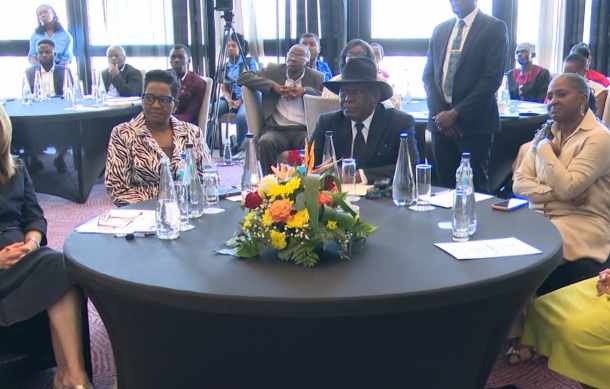
The need for stronger coordination in programmes targeting men and boys has come under the spotlight at a Male Engagement Symposium in Windhoek.
Held under the theme "Coordinating Namibia's Work with Men and Boys for Gender Equality and Wellbeing in Namibia", the symposium discussed ways of strengthening the role of men and boys in achieving gender equality.
Chairperson of the Education and ICT Committee of the Children's Parliament, Gerson Neumbo, says the conversation comes at a critical time, particularly as Namibia continues to grapple with challenges affecting boys.
"This symposium is important because we cannot build a Namibia that is equal and healthy if anyone is left behind. Gender equality is no longer a woman's issue, but it needs boys and men who really understand and believe in it and who live in it."
He identified the dropout rate among boys as one of the major concerns, saying boys often learn through observation and therefore nee d positive role models and safe spaces where they can speak openly.
European Union Ambassador to Namibia, Ana Beatriz Martins, says achieving gender equality requires collective effort, including men actively standing with women in the fight against gender-based violence and other forms of violence against women.
"Men and boys can help transform the everyday experience of women and girls by becoming active allies. When men stand for accountability and respect, when they challenge discriminatory behaviour among their peers, and when they refuse to remain silent in the face of degrading language, harassment or cause to violence, their influence can reach places that policies and campaigns alone cannot."
Minister of Gender Equality and Child Welfare Emma Kantema says the symposium aligns with the ministry's policy on engaging men and boys, launched last year.
"At a time where there's a perception that the boy child is left behind, at some times, this event sets a very clear and powerful message that the wellbeing of boys and men is important to our national development and gender and that no girl or boy should be left behind."
Dr. Kantema called for continued efforts to uphold Namibia's progress in gender equality.
First Gentleman Epaphras Ndaitwah, stressed that efforts to support the boy child should complement, rather than compete with, progress already made in advancing the rights and opportunities of girls.
" A gender-just society where men, women, boys and girls enjoy equal rights and live freely with dignity. The drive is not about the girl; the drive is not about the boy – it's about the society; that's the policy."
Ndaitwah says interventions should begin by identifying problems and then developing practical solutions.