


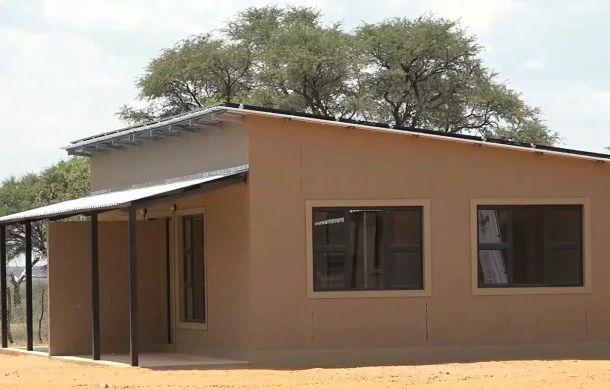
Nine months after the groundbreaking ceremony, the N|a'an ku sê Foundation's Ju|'Hoansi Eco Village in Epukiro has become a reality, with 40 newly built and furnished houses handed over to beneficiaries.
The village consists of 40 furnished two-bedroom houses and includes water recycling systems, clean cooking facilities and a community garden. An entrepreneurship centre will also form part of the village, with the aim of promoting income-generating activities and helping the community become self-sustaining.
The handover of the furnished homes marks an important step towards improving living conditions for the Ju/'Hoansi community in Epukiro.
Beyond providing shelter, the project aims to create a stable foundation for families, with facilities designed to support their daily needs and create better prospects for future generations.
Omaheke Governor Pijoo Nganate emphasised the importance of strong families in building strong communities, noting that community development begins at household level.
"Look after the homes," and your chief has already said that. Protect the facilities. Use the opportunities available to you. Support the education of your children. And that's one reason why this has been done, so that our children can have a conducive environment to live in, to learn from, and to go to school, and to come home and say, 'I'm coming home, a home to a real home. Work together to ensure that what has been provided here continues to benefit your families and the generations that follow."
The project also recognises the importance of preserving the Ju|'Hoansi people's cultural identity and ensuring that their traditions remain part of everyday community life. The initiative also seeks to support a future in which development and cultural heritage continue to coexist.
Vice President Lucia Witbooi said these facilities are important because sustainable development extends beyond the provision of shelter. A community garden can contribute to food security, livelihoods, skills development and self-reliance, while the traditional ceremony area can provide an important space for the preservation and celebration of the culture, the traditions and heritage of the people of Epukiro, especially the indigenous communities."
The project reflects the N|a'an ku sê Foundation's commitment to working with the government to improve the living conditions of Namibians, particularly in rural communities.