AFRICA ADVANCES MULTI-DISEASE ELIMINATION
Breadcrumb
African countries are making progress in eliminating preventable and neglected diseases, despite pressure on health financing.



African countries are making progress in eliminating preventable and neglected diseases, despite pressure on health financing.
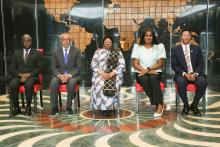
The need for local pharmaceutical production in Namibia and the African continent was emphasised during a courtesy visit to President Netumbo Nandi-Ndaitwah by the Director-General of the World Health Organisation (WHO), Tedros Ghebreyesus.
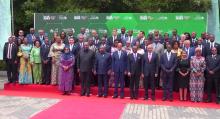
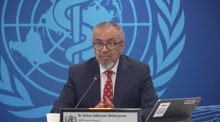
WHO Director-General Tedros Adhanom Ghebreyesus urged African leaders to strengthen health systems and tackle the root causes of disease as the continent looks to reduce its reliance on external health funding.
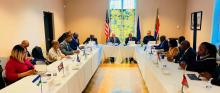
The long-standing partnership between the Southern African Development Community (SADC) and the World Health Organization (WHO) was recently strengthened during a meeting between SADC Executive Secretary Elias Magosi and WHO Representative to Botswana and SADC, Fabian Ndenzako, in Gaborone.
The World Health Organisation (WHO) has highlighted Namibia's efforts to strengthen public health responses, focusing on the country's intensified fight against a malaria surge and its continued leadership in tobacco control across Africa.
The Director-General of the World Health Organization, Dr. Tedros Ghebreyesus, says the current hantavirus outbreak poses a low public health risk globally.
The World Health Organisation (WHO) estimates that at least two million people die every year due to antimicrobial resistance globally.
The World Health Organisation (WHO) has made strides towards developing sustainable self-reliance in the production of medicines on the African continent.
The Global Alliance for Vaccines and Immunisation (GAVI), an alliance of the World Health Organisation, has announced that it is giving out a US$1.2 billion subsidy, a milestone payment towards African commercial vaccine manufacturers.
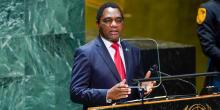
Zambian President Hakainde Hichilema has bestowed honours as officers of the Order of the Eagle of Zambia on WHO Director-General Tedros Ghebreyesus and Africa's CDC Head Jean Kaseya.
The President of Zambia has recognised their dedication to diligently reforming the health sector.