


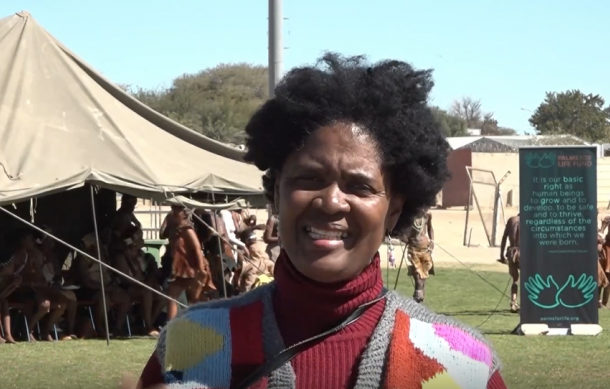
In celebration of the International Day of the World's Indigenous Peoples, Otjiwarongo played host to the week-long second edition of the San Cultural Festival.
The event brought together communities to showcase their customs, art, and way of life.
The day recognises the achievements and contributions that indigenous people make to shaping the world, such as environmental protection.
Groups such as the Ju|'hoansi from Tsumkwe and the Hai ||om from Naro showcased their musical talents and cultural skills.
One of the organisers of the San Cultural Festival, Delilah Guxas-Ipinge, described the festival as a vibrant celebration of identity and resilience.
"Today is basically just having fun. where we mostly engage in cultural performances and just have fun as San people. What we want to achieve here is more than just having the festival and that's it. We want to see how we can help our cultural groups to develop socioeconomically. Find them more gigs and more shows where they can be called to perform. Similarly, we want to promote our music artists by providing opportunities for them to be seen and signed up by interested parties."
Guxas-Ipinge further explained the uniqueness of the San people and their cultures.
"We are a diverse group, but we are all referred to as 'San'. Although we are diverse and speak different languages, our traditions remain the same. We mostly have different languages. The Xom language is from the Tsumkwe area, Grasshoek and Asvoelness; then we find the Naro are in Gobabis; their language is totally different; and then we find the KhoiSan, who are mostly in the Zambezi Region; and then we find the ||Xamnasi are also in Gobabis, and their languages are different. But, basically, we are just San taking pride and just having fun."
One of the cultural festival sponsors is Palms of Life. Gabriel Thomas, a spokesperson for Palms of Life, explained why the organisation supports the event.
"It is very important for Palms of Life to help sponsor and preserve these communities, as they are at risk of assimilating with other tribes such as the Aawambo, Ovaherero, Kavango, and others in Namibia. So it's critical to preserve them so they can stand on their own like other tribes."
The festival, which was marked by fun, lessons and entertainment, ended on Sunday.