

Namibia is gearing up for the 2025 Regional Councils and Local Authorities Elections. But what do these elections mean for everyday citizens, and why do they matter?
Reporter Richolene ǂOuses, together with camera operators Keanan Campbell and Conny Kapepu, set out to explore the importance of these elections as Namibians prepare to make their voices heard.
Namibia, with about 3 million people, is divided into 14 regions and 121 constituencies, governed through regional councils and local authorities. These bodies are key drivers of local development and service delivery.
Regional Council elections follow a first-past-the-post system, while Local Authority elections use proportional representation, where seats are allocated based on each party’s share of the vote.
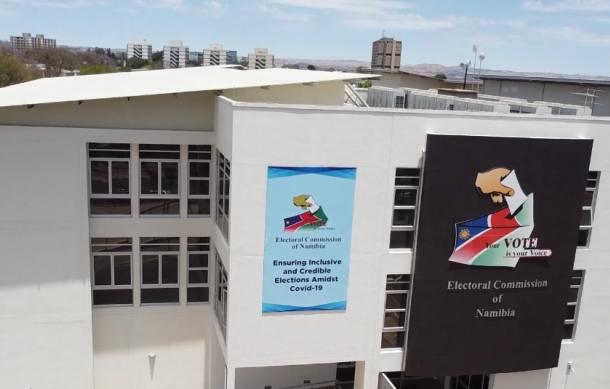
The Electoral Commission of Namibia, guided by the Constitution and the Electoral Act, ensures all elections are free, fair, and credible. Voter registration is voluntary but essential for participation, and voters must be registered in the constituency or local authority area where they reside to vote. The Constitution and the electoral framework also provide for electoral stakeholder rights, candidate eligibility, residency requirements, and election timelines.
The Ministry of Urban and Rural Development supports governance at the grassroots level, working with regional councils and municipalities to advance decentralisation, housing, and community development.
Despite Namibia’s progress in voter registration, challenges remain. Youth turnout is a particular concern, even though young people constitute a large portion of registered voters.
As Namibia prepares for the 2025 Regional Councils and Local Authorities elections, these polls represent more than just politics—they reflect the hopes and challenges of communities across the country.