


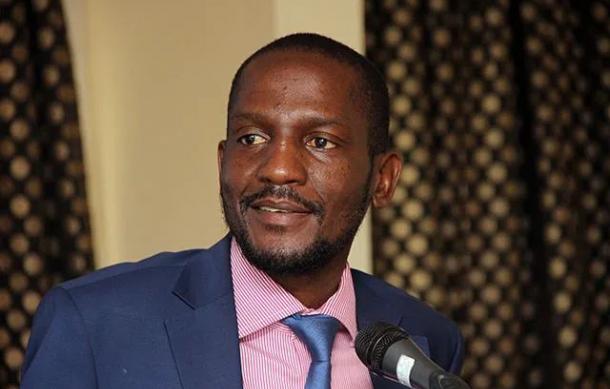
Works and Transport Minister, Veikko Nekundi, officiated the inauguration of Phase 2 of the Tsandi-Omugulugwombashe Road Project in the Omusati Region.
The 22-kilometre road upgrade to a low-volume seal was constructed in two phases; the 14-kilometer phase was completed in March last year, and the 8-kilometer phase was finished in October this year.
The road was constructed at a cost of over N$80 million.
Works and Transport Minister Veikko Nekundi said the new road will boost development by improving travel and opening more trading opportunities for communities.
"The roads will bring you development, and this will enable you to travel easily and safely to different destinations. Business people can now do their trading in different places, such as Omugulugombashe, and you will see the changes this brings."
Nekundi further said that the projects created jobs, supported local football teams, and upgraded a football field at the contractor's cost.
Both phases were contracted by Kambwa Trading.
Omusati Governor Immanuel Shikongo says the road's completion promotes access, opportunity, and development, connecting residents to essential services.
"The completion of this road is not just about infrastructure; it is about accessibility, dignity, and opportunity. It will allow our residents to travel more easily, to reach essential services, and to connect with markets, schools, and healthcare facilities. This achievement is proof that when government, institutions, and communities work together, progress is possible."
The Roads Authority Board Chairperson, Martins Kambulu, expressed appreciation to the community, saying their long-awaited desire for a proper road infrastructure has finally been realised.
"We acknowledge the community's patience and perseverance. For years, you have organised, petitioned your authorities, and advocated tirelessly for this development. Your efforts have been instrumental in bringing this project to fruition. While financial constraints have, in the past, caused delays, today marks a turning point. The continuation of this phase is a testament to what can be achieved when communities, traditional authorities, and government institutions work in partnership."