


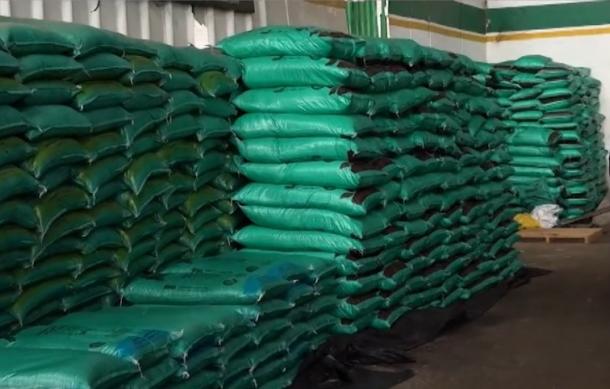
In Zimbabwe the government has suspended duty on fertiliser imports for 12 months to facilitate affordable pricing and boost agriculture production.
The suspension of import duty on fertiliser comes as a major boost for the fertiliser industry and farmers, as this is expected to improve the availability and affordability of the commodity.
With the summer season looking favourable, demand for fertiliser is high, and the intervention to suspend duty has been described as noble towards boosting productivity and enhancing food security in the country.
"This is actually coming at the right time when we are expecting more rains, and such an idea goes a long way in easing viability challenges while creating a platform to further spur production," says farmer Abel Gungo.
"Zimbabwe has what it takes to be a game changer in the agriculture sector to the extent that we anticipate a lot to happen insofar as increasing production to foster growth is concerned."
But what will be the impact of the latest policy on farmers? asks Agronomist Gerald Mafere.
"The impact is that the hectarage under cultivation will increase; even those who were sitting on the borderline thinking, 'Can I farm? Can I not farm?' will be enticed into it because the inputs are cheaper. Capacity utilisation: where a farmer was doing maybe five hectares because inputs were expensive, now the farmer can afford to do seven or eight hectares because the inputs are now affordable. And the other advantage is that the government is rewarding farmers at the input stage, which eliminates rent-seeking behaviour."
Suspension of duty for fertiliser to facilitate viable returns feeds into the National Development Strategy Two and the target to ensure food security in the country.