


The Ovaherero and Nama genocide remains one of the darkest chapters in Namibia's history, an era marked by deep suffering, loss and displacement. For many Ovaherero and Nama families, the painful memories of that time still live on through stories passed down from generation to generation.
Faced with violence and extermination during German colonial rule, thousands fled across harsh landscapes into Botswana in search of safety, hoping to protect their families and preserve their people.
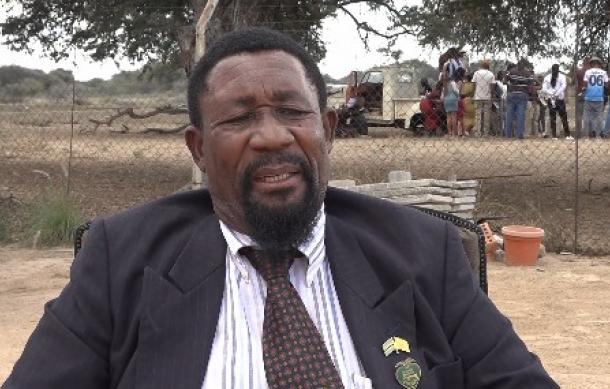
The NBC News team spoke to descendants of the Ovaherero people living in Charles Hill, Botswana, who fled to Botswana during the genocide. Many of them still carry stories, traditions and memories passed down by their grandparents and great-grandparents.
They reminded us that the pain of the genocide and the strength of the people remain unforgettable, even after years have passed.
Uaronda Kuteeue, a genocide descendant from Botswana, shared that the genocide started in Namibia and then crossed into Botswana and that they are now in what they call a 'diaspora'. "To tell you the truth, I got to know of these genocide things from people just coming to me; I really did not know about them. At first, I just thought, 'These are just things that affect Namibians.' Only in 1989 did I think to myself, 'These people that come visit us from Namibia, we have the same surname and come from the same clan'. That is when I realised, 'Oh man, I am here because I was resettled here; I am not from here'."
Christopher Kanguaiko, another genocide descendant from Botswana, said, "When I hear about genocide, it really pains my heart, because my grandfather fled Namibia with my father, who was only 4 years old at the time, and when they arrived in Otjombinde, the Germans shot and killed my grandfather. Then they gave my father to a woman called Kambura in Omakunda, and she raised him. So when the Genocide Remembrance Day comes, I get so sick and weak and just think to myself of the means, language and culture we lost."
Charles Tjeja, a genocide descendant from Botswana, recalled: "When you heard our parents, you could tell they are in Botswana, but their hearts are in Namibia, and they would tell us no, these things are just for the Batswana, and that made us hesitant to get into things like politics because even though we are Botswana citizens, it didn't feel like we belong. It is very difficult."
The descendants also welcomed the Namibian government's decision to officially recognise Genocide Remembrance Day.
Edith Stanley, a genocide descendant from Botswana and descendant of the Ovaherero people, said, "I am a descendant of the Ovaherero people, and looking at the initiative to commemorate the genocide day, I would like to applaud the government and its officials for eventually coming to the decision to commemorate this event."