


As Olufuko prepares for its 15th edition, leaders have emphasised that the annual festival must be protected and expanded, despite years of criticism that it promotes paganism.
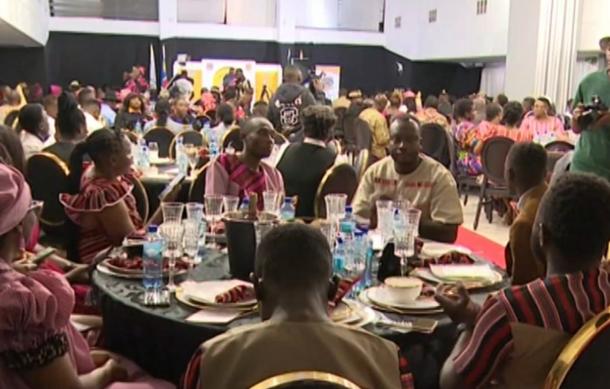
The call was made at a gala dinner, which brought together government and business leaders, traditional authorities and the community in support of the annual cultural festival.
Swapo Party Secretary General Sophia Shaningwa said Olufuko should serve to advance Namibia's development agenda.
“Through the celebration of our heritage, we simultaneously create economic opportunities, stimulate local enterprise, promote tourism, and foster social cohesion, all of which are essential pillars for sustainable development.”
The Minister of Urban and Rural Development James Sankwasa highlighted that Olufuko has faced criticism since its inception, with some members of the clergy describing the festival as paganism because of its cultural practices.
"I got my mind thinking: What is paganism in the culture of the African person? The culture that we want to import—European culture, foreign culture—which we want to promote at all costs—is not referred to as paganism, yet it is foreign to us.”
Omusati Governor Immanuel Shikongo stated that Olufuko needs to go beyond its current form.
"I believe we must also begin to think beyond the annual festival. We should ask ourselves, how do we develop Olufuko into a permanent cultural space that continues to serve our people throughout the year?”
Acting Chief of the Uukolonkadhi Traditional Authority, Malakia Shoombe, noted that Olufuko remains an important part of preserving traditional practices and preparing young women for adulthood.
“Long before Christianity came to Africa, our people already had their own traditional marriage practices. Traditionally, marriage held an important place in our communities. A woman who had gone through the traditional process of marriage was regarded as having an important status among other women, particularly because she was expected to have been prepared for marriage and family life.”
The fundraising event raised more than one million dollars towards this year's festival, with the Outapi Town Council making the largest contribution of N$600,000.
The festival is scheduled to take place from 24 August to 02 September in Outapi.