


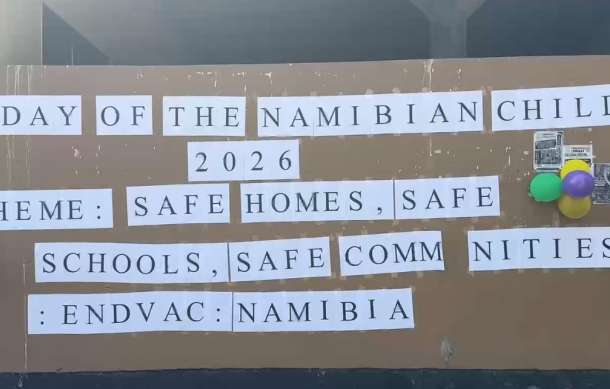
Children are calling for safer homes, schools, and communities, saying violence, abuse, and neglect continue to affect their lives and prevent them from reaching their full potential.
The call was made during the celebration of the Day of the Namibian Child at Mbalasinte.
It was held under the theme, "Safe Homes, Safe Schools, Safe Communities."
The Head Girl of the Kasika Combined School, Noria Lubinda, provided an explanation.
"Kids want safe homes, homes free from violence, abuse, and neglect, where a child is protected and not afraid. Give us safe schools, schools free from bullying, corporal punishment, and sexual abuse. Give us quality education, not just free education, but education that prepares us for the future, with computers and books, even in rural schools.”
Lubinda further highlighted challenges affecting children and called on communities not to tolerate ill practices against them.
Speaking on behalf of the Govenor, Zambezi Health Director Woita Kapumburu said violence against children remains a concern.
Children, he stated, face violence in care settings, online spaces, and public places where they are expected to be safe.
“Girls and boys are physically, sexually, and emotionally exploited and abused. But responsible Namibians often hide such cruel activities and normalize criminal activities through social norms that tolerate corporal punishment. By doing that, violence survivors are discouraged from seeking help.”
He is optimistic that strengthening child protection laws, expanding primary education, and improving access to basic education services will address challenges facing children.
The Ministry of Gender Equality and Child Welfare and stakeholders also launched and strengthened a national campaign aimed at ending violence against children.
The campaign will focus on prevention, early identification, reporting and referral, as well as survivor-centered support and community accountability.
In addition, it promotes positive parenting and non-violent discipline, strengthens school- and community-based prevention measures, and encourages children, caregivers, educators, community leaders, and service providers to report cases of violence and seek timely support.