


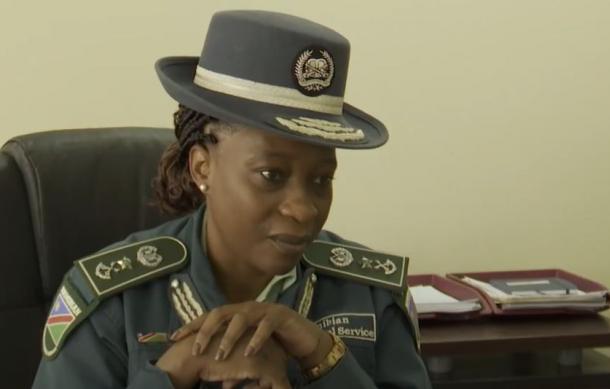
Forensic Psychologist and Head of Rehabilitation at the Namibia Correctional Service, Emma Nafuka, has warned that the boy-child who suffers trauma and goes untreated is more likely to become a perpetrator, continuing a cycle of abuse.
Commissioner Nafuka shared insights from her psychological assessments with 183 inmates across the country in an article titled "Understanding Namibian Child Sex Offenders," which she wrote in her personal capacity.
Her research points to disturbing trends and highlights the urgent need for early interventions, particularly for boys who experience traumatic events in childhood.
While girls tend to internalise trauma—often resulting in self-harm, early sexual engagements, or risky behaviour—the same cannot be said for boys.
"Most child sexual offenders, particularly boys, have a high chance of becoming sex offenders, but not girls, so it perpetuates the cycle, so it becomes very, very important for a boy child to be treated in order to stop the crime of offending. Treat the boy child because, in the future, he stands a high chance of offending."
Another key finding indicates that close family members commit the majority of child sex offences.
"When I look at the study, the number one perpetrator was a neighbour, and the second perpetrator was a family member, and one thing that we need to look out for is that most of our children are not sexually abused by strangers, and they are abused by family members they know."
Dr. Nafuka examined the criminal behaviour patterns of offenders before, during, and after the assaults. Her research found that the recent child murders may have been premeditated.
"Premeditated actually means that the perpetrator has carefully thought of the crime, probably already thought of where they are going to commit the crime, where they are going to murder, and where they are going to leave the body; all those plans were thought out. What they may not have thought of prior is the victim; who is it sometimes that happens by chance? You just grab the child who is the closest."
Commissioner Nafuka argues that investing in mental health support, trauma-informed education, and family-based counselling – especially for boys – must be part of national planning if Namibia is to break the cycle of abuse.