


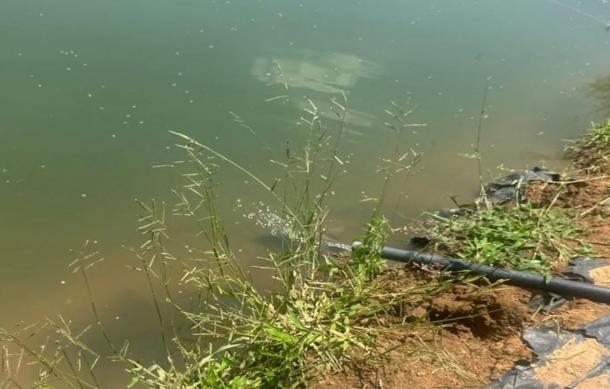
Fish stocks in the two Kavango regions have been dropping in recent years.
This has not only affected livelihoods but has also increased incidences of human-wildlife conflict.
A local aquaculture expert, Hiskia Asino, is now advising residents of the Kavango regions to venture into alternative ways of farming fish.
Climate change, use of illegal fishing gear, a growing population, and a high unemployment rate—these are just some of the many reasons why fish stocks in the Kavango River are becoming scarce as the years progress.
Asino asserts that the Kavango regions have what it takes to make fish abundant again.
"You have water here, and you have land there. Right now, there is nothing behind us. But if you put a pond of x amount, you put fish in there, and you feed the fish, and you take water and put it in the pond, then you have fish to feed your family. As scientists and aquaculturalists, we do have the skills to enable people to take care of themselves and improve the food security situation in our country."
Asino said aquaculture has created wealth, transforming the lives of millions of people around the world.
"It's a 400 billion US dollar business right now, and in Namibia, the last time I checked the stats, Namibia was just producing close to or just below 500 tonnes of aquaculture production, so there is huge potential. Just here alone, we can produce close to maybe 30 to 50 tonnes just in a space like this, but nothing is currently happening. We have to address this matter and prioritise it as an area of development."
In 2003, the government introduced fish farms in the Kavango regions. The fish farms were then handed over to the community after a couple of years, but many of them did not survive. Today, there are about twenty functional aquaculture farms in the Kavango regions. Some of the people in charge of the fish farms agree that the regions do have the potential.
All the locals need is enough training accompanied by a mindset change.
"We have to value our resources. We have to look around us and see how we can develop the resources we have currently to the best of our ability to ensure that we can feed our people. It doesn't help to give drought relief every year to someone living along the river while they have land and water. Let's capacitate the people to be able to produce for themselves and for others who are not along the river."