


The Muduva Nyangana Conservancy, located in the Kavango East Region, generates about N$700,000 per annum.
This was announced during the oversight visit by the Parliamentary Committee on Natural Resources.
The conservancy, which has been in existence for 20 years, is made up of eight villages, namely Shamaghembe, Shanyashi, Shamambungu, Shamburu, Ncakuma, Ngcima, Ngcwa, and Livayi.
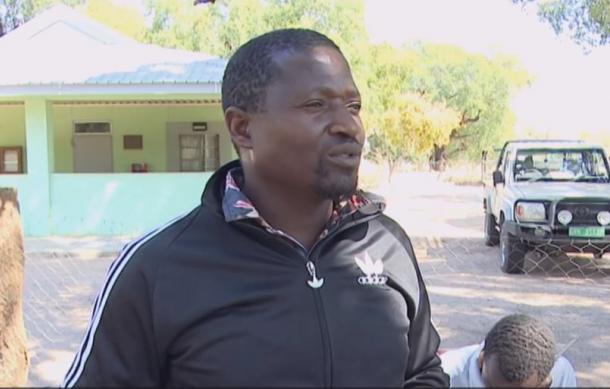
Manager of the Muduva Nyangana Conservancy, Max Muyemburuko, explained that they have a school assistance project "whereby we support a school within the conservancy with stationery. We support our farmers in all eight villages; we have a weeding project where the conservancy pays for people to weed farmers' crop fields. Tertiary education support. We also support students who are at IUM and NUST so that they can further their education, and we have supported 40 students since 2022, and we also support vocational training students who also want to do vocational work, and we supported 10 students."
Other benefits, he said, are: "We have funeral assistance. We provide a specific amount of money to assist when a member has passed away. We do also assist the Ngciriku Traditional Authority with some payments so that they can also carry out their day-to-day operation at their offices."
The conservancy also came up with a scheme to compensate farmers whose crop fields are damaged by wild animals, as the policy only caters for elephants and hippos.
The conservancy earns its income through conservation hunting, campsites, devil's claw harvesting, and donations from Good Samaritans.
Despite the positive outcomes, the conservancy faces challenges as well.
"The elephants that you have included in the policy cannot damage crops more than antelope, and we have noticed that in the future, these antelope are to be included in the national policy. Poaching incidents are also a challenge, and for us, the challenge is a bit huge. Due to small quarters, it led us to have a lack of resources to carry out other plant activities," said Muyemburuko.
He added that illegal hunting and the settlement of people in wildlife-exclusive areas are additional challenges.
The members of the conservancy want to be included in decision-making regarding the operation of conservancies.
The Chairperson of the parliamentary standing committee on natural resources, Tobie Aupindi, promised the conservancy members that their challenges will be taken into consideration.