


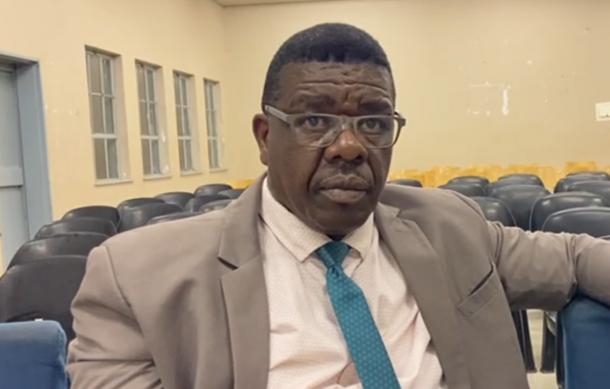
A delegation from the Education Directorate in the Otjozondjupa Region this week engaged with underperforming schools in the Tsumkwe Constituency.
Teaching staff at the schools visited cited overcrowding, limited parental involvement and inadequate conditions as among the challenges they face on a day-to-day basis.
Deputy Director for Education in the Otjozondjupa Region, Uerivangera Tjivikua, and his delegation visited the Gam Combined School, Tsumkwe Secondary and Primary schools, and also Aasvoelnes Primary and Grashoek Primary schools.
Tjivikua stressed that improving schools' results in the region would require the commitment of all stakeholders.
"In line with section 44 of the Basic Education Act 2020, Act No. 3 of 2020, we take steps to support the underperforming schools. These performance dialogues are part of these steps, so we come to schools to engage the stakeholders, with stakeholders.'
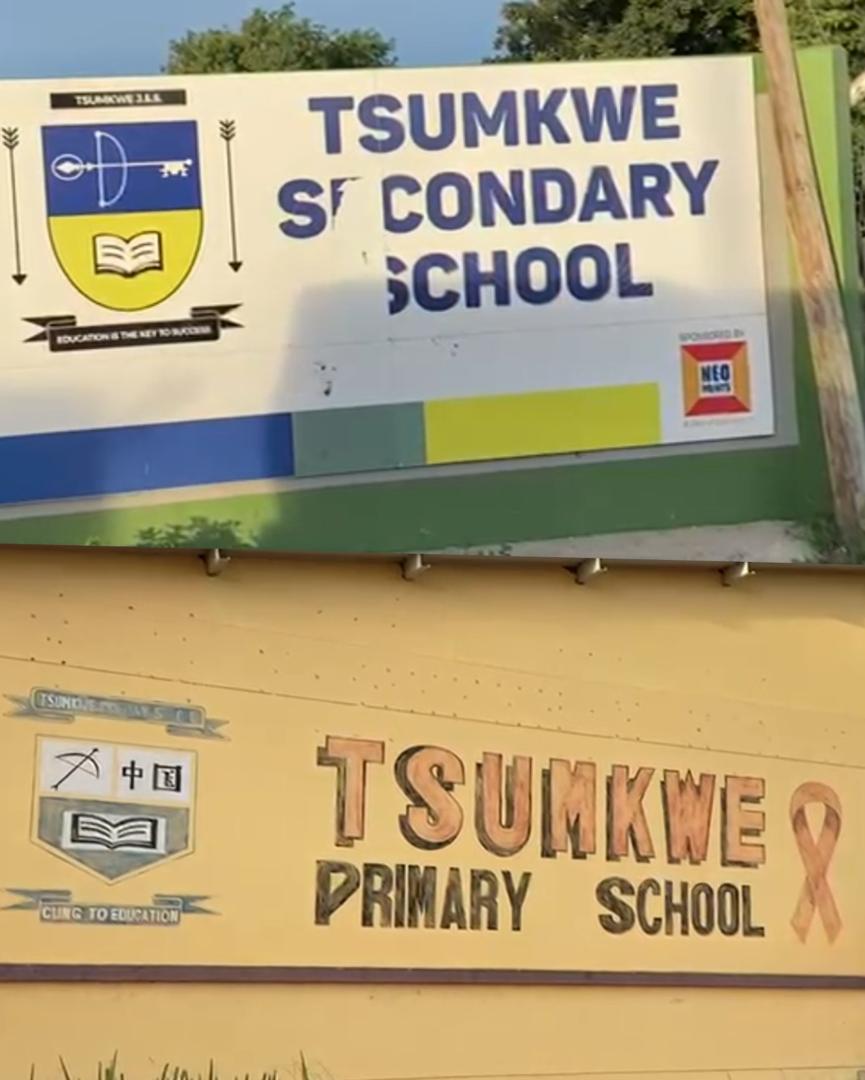
Tsumkwe Primary School principal Vallie Indongo cited limited parental involvement as among the main challenges they face.
"Our number one problem is reading; our learners simply cannot read, but plans are in place to solve this problem, high absenteeism and the dropout rates."
He also pointed to overcrowded classrooms, a lack of tables and chairs resulting in learners having to sit on the floor, and hostel cooking that relies on slow, outdoor fire and regularly prevents learners from eating on time.
Additionally, Principal of Tsumkwe Secondary School, Christof Ngavetene, says the school's infrastructure leaves much to be desired.
"Our hostel was a police barracks; the rooms are just one to three, and the bathrooms are outside somewhere. Learners have to leave their rooms and go use the bathroom outside. In the big bathroom for girls, we have only three to four seats, but we accommodate more than 100 girls. Three to four seats to be used by hundreds of people is already a challenge; it's the same with showers."
While acknowledging the need to improve on the cited conditions, the deputy director said well-performing schools face these same issues.
"We are working on it; we do not want any classrooms to exceed 40 learners. We advised principals already to determine for us the number of learners that are in excess of 40 so that we can see if they can form other class groups. Where additional class groups are formed, we have to find means for them to be taught separately."
He also suggested schools introduce the platoon system, allowing for junior primary learners, for example, to be taught in the afternoon.
The delegation took note of other worrying factors, including a lack of revision by teachers at primary school and a lack of maintenance of school furniture.