


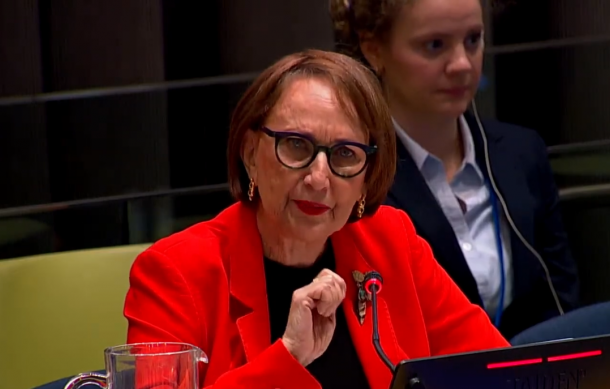
The race for the next Secretary-General is moving into a decisive stage, as candidates present their visions in a series of interactive dialogues with member states at United Nations headquarters.
The current Secretary-General of the UN Trade and Development Agency, Rebeca Grynspan of Costa Rica, nominated in March 2026, is hoping for renewed attention to peace, reform, and leadership for the future.
Drawing on her background as the daughter of World War 2 refugees, she linked her message to the founding ideals of the United Nations.
Grynspan warned that trust in the UN is weakening at a time of rising global conflicts and growing pressure on international law.
"To stand before this assembly is to declare faith in the Charter in its defence of human dignity and in its promise to save future generations from the scourge of war," said Grynspan.
She set out key priorities, including institutional reform and a more proactive role for the organisation. "I will act before conflicts erupt, be the first to pick up the phone. That is the Secretary-General I intend to be. Excellencies, I also listen to those demanding this organisation be more focused, more useful, more responsive, and more accountable."
Another candidate also presented her vision during the session.
Former Chilean President Michelle Bachelet, nominated by Chile, Brazil, and Mexico in February, centred her campaign around restoring confidence in multilateral cooperation.
"Our world is under strain as never before. I stand before you to reclaim the urgent need for dialogue, because deliberation and multilateral cooperation have been the platform upon which this organisation was built, and they remain the bridge to our future."
Bachelet outlined a leadership approach focused on stronger accountability within the UN system, along with improving how the organisation delivers results on peace and development.
"In peace and security, the priority must be prevention. Quiet diplomacy, early warning, sustained engagement with regional actors, and professional mediation can stop escalation before it becomes a catastrophe. The Secretary-General must remain engaged as a channel of communication, even when consensus seems distant."
The selection process for the next Secretary-General began in November 2025, following a joint letter from the Presidents of the General Assembly and the Security Council.