Namibians urged to be torchbearers of heritage
Breadcrumb
Namibians are urged to be torchbearers of the country's heritage in their everyday lives.



Namibians are urged to be torchbearers of the country's heritage in their everyday lives.
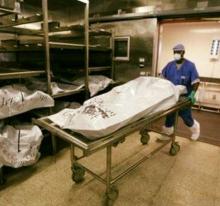
With more families unable to afford decent funerals for their loved ones, the burden of sudden deaths is increasingly falling on households already struggling to make ends meet.
The cost of mortuary fees and burial expenses has left many unable to lay their relatives to rest with dignity.
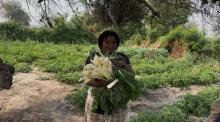
The Ministry of Agriculture, Fisheries, Water and Land Reform has allocated over N$12 million towards the Horticulture Support and Value Chain Programme for the 2025/26 financial period.
Keetmanshoop Rotary Club President Benedictus Diergaardt has urged the residents to embrace a spirit of service to help build a united community.
He made the call during a donation handover of mobility aids to the elderly and people with disabilities at Keetmanshoop.
MTC has committed an investment of N$4.5 million in the Content Creator Awards over the next three years.
The announcement was made during the nomination event held at the National Theatre of Namibia.
The Rehoboth Town Council has named a street in Block E after Loskey ǁGaroëb, one of the town's first regional councillors.
ǁGaroëb, who became the first regional councillor of Rehoboth in 1992, served the Hardap Regional Council until 1998 and later represented the region in the National Council.
Minister Ericah Shafuda has denied that the Finance Ministry instructed the Namibia Revenue Agency (NamRA) to investigate its Commissioner, Sam Shivute, over alleged management-related issues within the agency.
Instead, Shafuda says the NamRA board was instructed to investigate the matter.
Involving youth in clean-up campaigns could be an effective way to engage them and encourage participation in national events.
This was shared during a panel discussion held at Rundu, in preparation for the upcoming National Clean-up Campaign.
Workers at the Seawork Fishing company in Walvis Bay staged a demonstration opposing management’s attempt to scrap their 10:00 tea break and link wage increases to its removal.
Ten out of 24 suspected measles cases have tested positive in the Kunene Region.
Since the first confirmed measles case in Opuwo, on August 21 this year, additional suspected and confirmed cases have been reported.