


The transatlantic slave trade may have ended centuries ago, but its scars continue to shape societies across Africa and the diaspora.
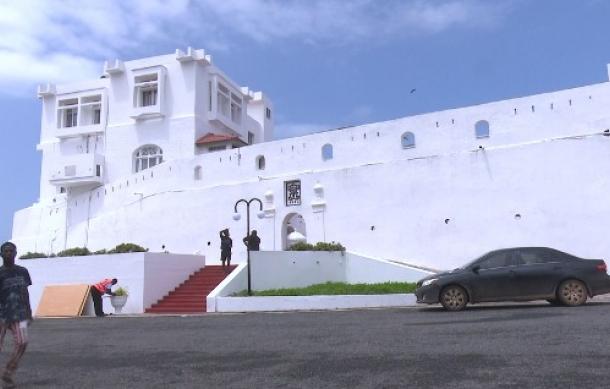
NBC News team travelled to Osu Castle in Accra, Ghana, one of the departure points for millions of enslaved Africans, and it has become the centre of renewed conversations about historical injustice.
The crashing waves of the Atlantic Ocean mask centuries of pain along Ghana's coastline.
At the Osu Castle, a 17th-century fortress, towering walls and dark chambers stand as silent witnesses to one of humanity's darkest chapters.
From these grounds, countless Africans were torn from their homes, branded and chained onto ships bound for the Americas, Europe and the Caribbean.
University of Ghana students recreated scenes that once unfolded within these walls.
Metal branding rods, used to mark human beings as property, symbolised the violence inflicted on captured Africans.
The symbolic procession moved through the infamous "Door of No Return" – the final passage before the captives were loaded onto waiting ships anchored only metres from the shore.
The re-enactments transformed history from written records into living memory.
Associate Professor of Sociology at the University of Bristol, Dr Sam Okyere, believes the conversation must move beyond conference halls.
"Because if you ask the ordinary person on the street now about the question of reparations, I think as a broad idea, people understand it, and that's why I think that institutions such as museums and schools and ordinary people; radio programmes; the churches; the bars; and the discourse should be angry. We should be talking about this."
For cultural institutions in Ghana, the focus lies in the challenge of confronting what they call the afterlife of slavery.
The senior manager for the Ghana Museums and Monuments Board is William Gmayi, who says, "It is not just what had happened 400 years ago, but the afterlives of it in our realities today; how it has made us reduce ourselves to only people that have no value because that is what is being preached to us. So that is what we are contesting today and looking at how all of these things will map up onto how we negotiate our ways throughout our development courses in our various countries. Out:
Those conversations gained fresh momentum during the High-Level Consultative Conference on the Next Steps hosted to give impetus to the UN resolution declaring the transatlantic slave trade a crime against humanity.
Samuel Okudzeto Ablakwa is Ghana's Foreign Minister.
"Just as other atrocities receive reparatory justice, so shall the transatlantic enslavement also have its day in the court of justice."