


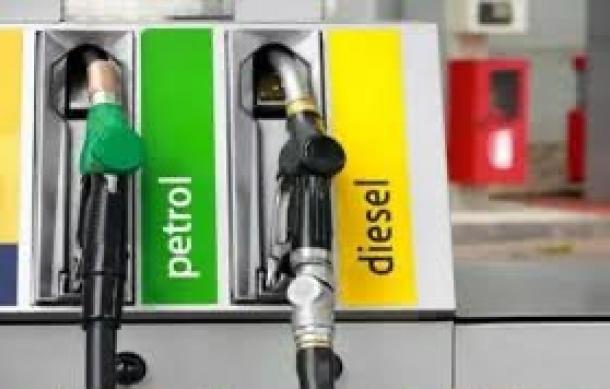
Fuel prices are expected to increase slightly in August following government intervention.
Minister of Industries, Mines and Energy Modestus Amutse made the announcement at the Government Information Centre.
Petrol 95 will increase to N$24.48 per liter, lower than the estimated N$28.48 per liter, which would have been the case without the arrangements.
Diesel 50 parts per million (ppm) will be N$26.26 per liter, and Diesel 10 ppm will be N$26.36 per liter, lower than the estimated N$30.26 without intervention.
The increase is effective from 05 August 2026.
Minister of Industries, Mines and Energy, Modestus Amutse, explained.
"It is important to emphasise that, had the Government not concluded the emergency fuel supply arrangement at the Basic Fuel Price flat rate, motorists would have been required to absorb not only the reinstated fuel levies but also the additional import premiums that suppliers would have charged above the Basic Fuel Price. In recent months, these premiums have fluctuated between approximately 50 cents and N$4.00 per liter, depending on prevailing international market conditions and supply constraints. Consequently, without the government's emergency fuel supply intervention, pump prices at Walvis Bay would have increased by approximately N$6.00 per liter for both grades of petrol and diesel."
Amutse stated that the government continues to implement substantial interventions through the National Energy Fund to cushion consumers against international oil price shocks.
“The Namibian government remains committed to ensuring security of fuel supply, cushioning consumers where possible, supporting economic stability, and that's the reason why we have reinstate all the levies, precisely because now we have an arrangement that is enabling us to reinstate those levies, because they are very, very important to assist us continue with the development of the country, especially, specifically, with regard to funding some of our development projects, such as roads.”
The Ministry, he added, continues to monitor international market developments closely to ensure fuel prices remain reflective of actual import costs.