


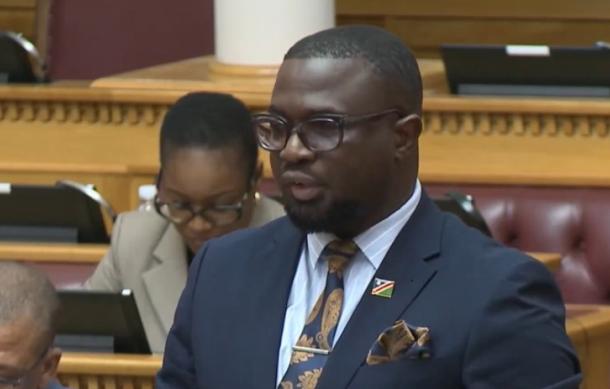
Opposition parties in the National Assembly have rejected the recently tabled Regional Councils Amendment Bill by the Minister of Urban and Rural Development, James Sankwasa.
Opposition MPs argue that the Bill seeks to centralise responsibilities and undermine the autonomy of regional councils.
Independent Patriots for Change (IPC) leader, Immanuel Nashinge, was among the members who urged the house to disapprove the Bill.
He said regional councillors are elected by citizens and should not have to report to any central government authority to execute their mandate, as this undermines the essence of decentralisation.
"The decentralisation policy of 1998 reaffirms that vision, stating that power must flow from the centre to the regions, not the other way around, yet this bill moves in the opposite direction. It seeks to recentralise authority, erode local accountability and silence the democratic voices of our democratic leaders."
Popular Democratic Movement (PDM) MP Winnie Moongo added that "The motivation speaks beautifully about coordination and harmony between governors and regional councils, yet the Bill says councils must comply with any directive from governors who are appointed and not elected. How can we claim decentralisation, honourable members, when elected councillors take orders from presidential appointees? It simply defeats the purpose of true democracy."
Another PDM MP, Diederik Vries, opposed the Bill’s provisions giving ministers and governors power to suspend or remove councillors. He noted constitutional concerns, saying, “Elected officials should only be removed through due process with judicial oversight, not at the sole discretion of the executive branch.”
Mbundu Mathias from the Republican Party stressed that the regional and local government system was designed as an economic instrument to bring accountability closer to communities, citing Articles 102 and 103 of the Constitution that recognise regional councils as constitutional pillars, not ministerial branches.
IPC MP Armas Amukoto added that governors, appointed by the president, represent the central government and coordinate executive functions, while regional councils are directly elected to articulate local priorities. Granting governors direct power over councils, including demanding compliance, shifts power upward and sidelines community voices, she argued.
The Bill seeks to increase ministerial oversight of regional councils, including powers to suspend or remove elected councillors.
Critics maintain it infringes on grassroots democracy by empowering unelected presidential appointees and undermining elected councils’ autonomy.