


The Okandjoze Chiefs Assembly on Genocide says it embraces the African Union (AU)-backed Algiers Declaration as an opportunity to advance the genocide cause, while reiterating its rejection of the Joint Declaration between the Namibian and German governments.
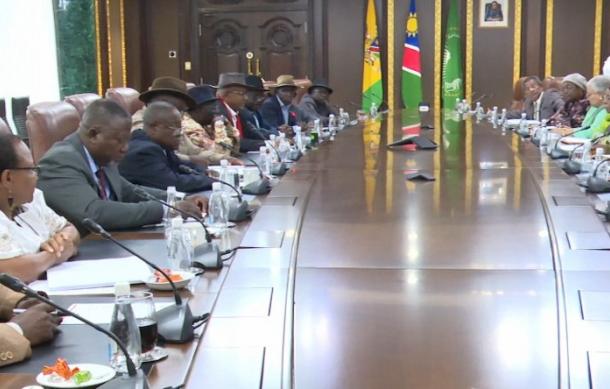
The Assembly made its position known following a courtesy meeting with President Netumbo Nandi-Ndaitwah.
The Algiers Declaration calls on former colonial powers to recognise, apologise for and provide reparations for colonial crimes, including slavery and environmental damage.
The Chiefs Assembly says that although the declaration is broad in scope, Namibia must join the growing global reparations movement instead of, as they claim, working in isolation with Germany.
In 2021, Namibia and Germany concluded a joint declaration outlining a more than N$18 billion reconstruction and development support programme over a 30-year period for communities affected by the 1904 to 1908 genocide.
However, the Chiefs Assembly maintains that it was excluded from the negotiation process and that descendants of the victims were treated as mere observers.
The group has labelled the agreement flawed and not based on a genuine acknowledgement of genocide.
Chairperson of the Okandjoze Chiefs Assembly, Ombara Rikurura Kukuri, says the Joint Declaration does not provide a proper restorative justice framework.
"And the reason why we have been against the Joint Declaration is because the structure, the spirit and the letter of the Joint Declaration do not lend themselves to a restorative justice package or framework. It falls far short of the basic tenets contained in the 1946 UN Convention, which speaks to how perpetrators of crimes against humanity and their victims should engage in order to arrive at an amicable restorative package that satisfies the needs of those affected. The Joint Declaration was structured as a state-to-state engagement, where the government takes the lead."
Despite its concerns, the Chiefs Assembly commended the government for designating the 28th of May as Genocide Remembrance Day, with the inaugural commemoration held last year.
However, the Assembly says there is still a long road toward genuine memorialisation and proposed the erection of monuments and the inclusion of genocide studies in school curricula.